 A John Deere Publication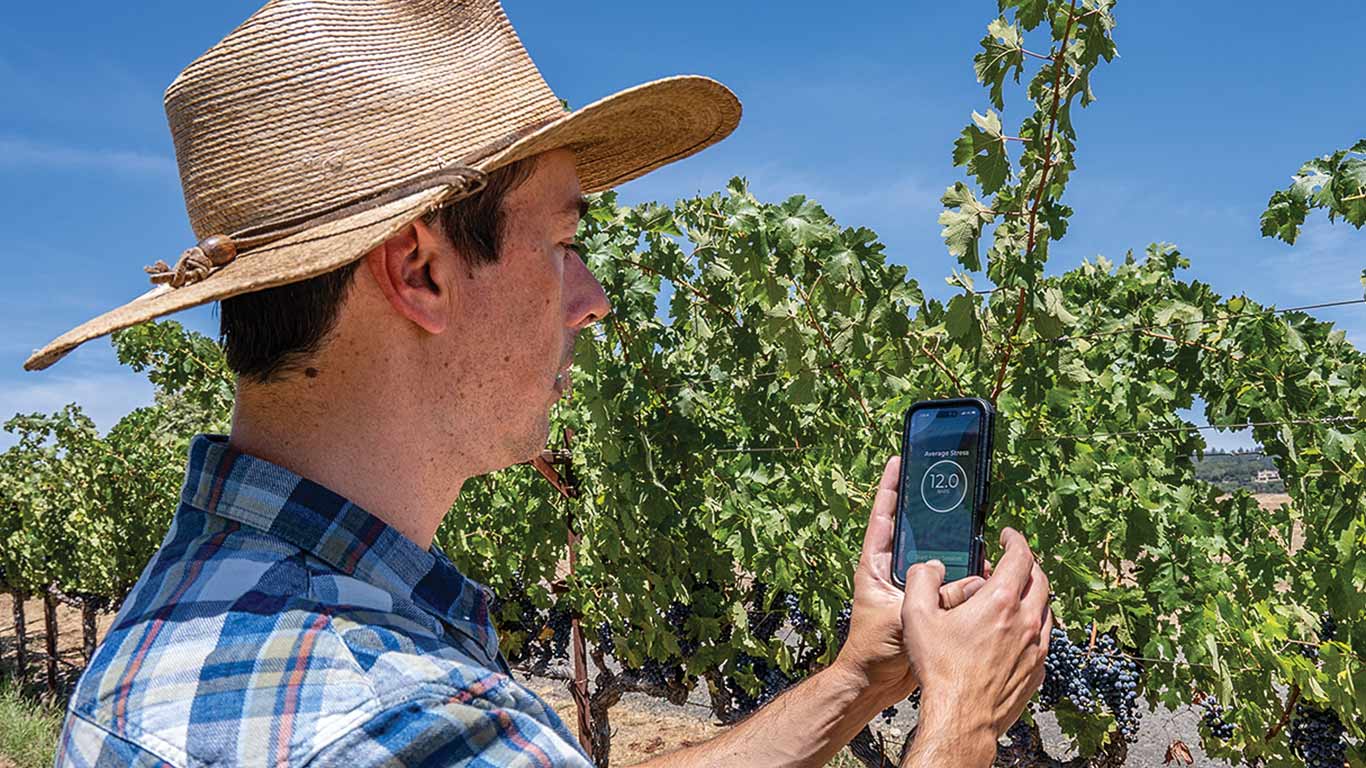
Justin Leigon takes images of grape foliage that an AI system will correlate with leaf water potential readings.
Agriculture, Ag Tech February 01, 2026
Smart Water
AI and high tech drive water efficiency.
Story and Photos by Steve Werblow
For millennia, farmers made irrigation decisions one handful of soil at a time, squeezing a ball in their palm or feeding out a ribbon between their fingers. Today, precision irrigation is on the rise. So is an appreciation for the yield and quality drops that result from too little or too much water. But it's hard to manage irrigation precisely without drowning in data.
Enter artificial intelligence, or AI, which puts computers to work in a deep dive into figures and statistics, learning as they go. AI can recognize patterns in soil types and moisture levels, crop health, weather, and evapotranspiration to track water need and schedule irrigation. It also notices pressure variations that can indicate problems in water systems, alerting irrigation managers.
Tom Gamble grows 175 acres of winegrapes on 29 blocks in California's Napa Valley. He points out that high-end winegrapes rely on careful water management to safeguard yield, wine quality, and profit margins. Some vines need a little stress to produce the top-quality grapes in a $200 bottle of wine, while others get more water in a push for higher yields where the value is in tonnage. Knowing which blocks are which is part of the grower's art. So is creating the right amount of water stress—and it requires constant attention to prevent disaster.
"I use a sports analogy," Gamble explains. "You can't get to the Super Bowl unless you exercise, but if you put too much stress on your body, you're going to break something and then you're not going to the Super Bowl."
Trust. Over the years, Gamble has used all sorts of technologies to measure moisture, from gypsum blocks to neutron probes and pressure bombs. Most are now on the scrap heap, replaced by a new AI system focused mainly on video footage taken regularly by his irrigation consultant, Justin Leigon of Piña Vineyard Management in St. Helena, California.
Using an app on his smartphone, Leigon captures images of Gamble's vines at specific times of day, facing specific directions so lighting is consistent. An AI system analyzes the images and correlates them with a massive database of pressure bomb leaf water potential readings. In-field weather stations and soil monitors provide additional insight, and an automated valve system turns water on and off.
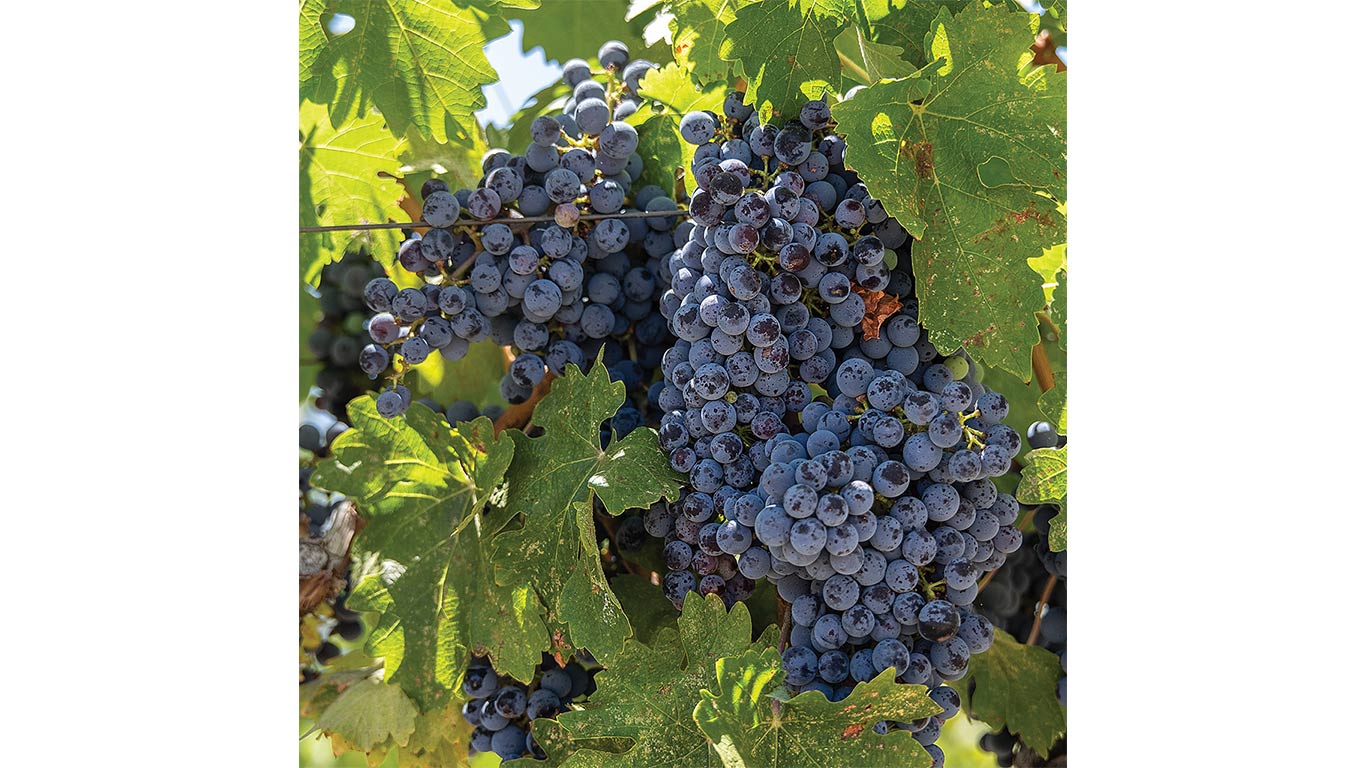
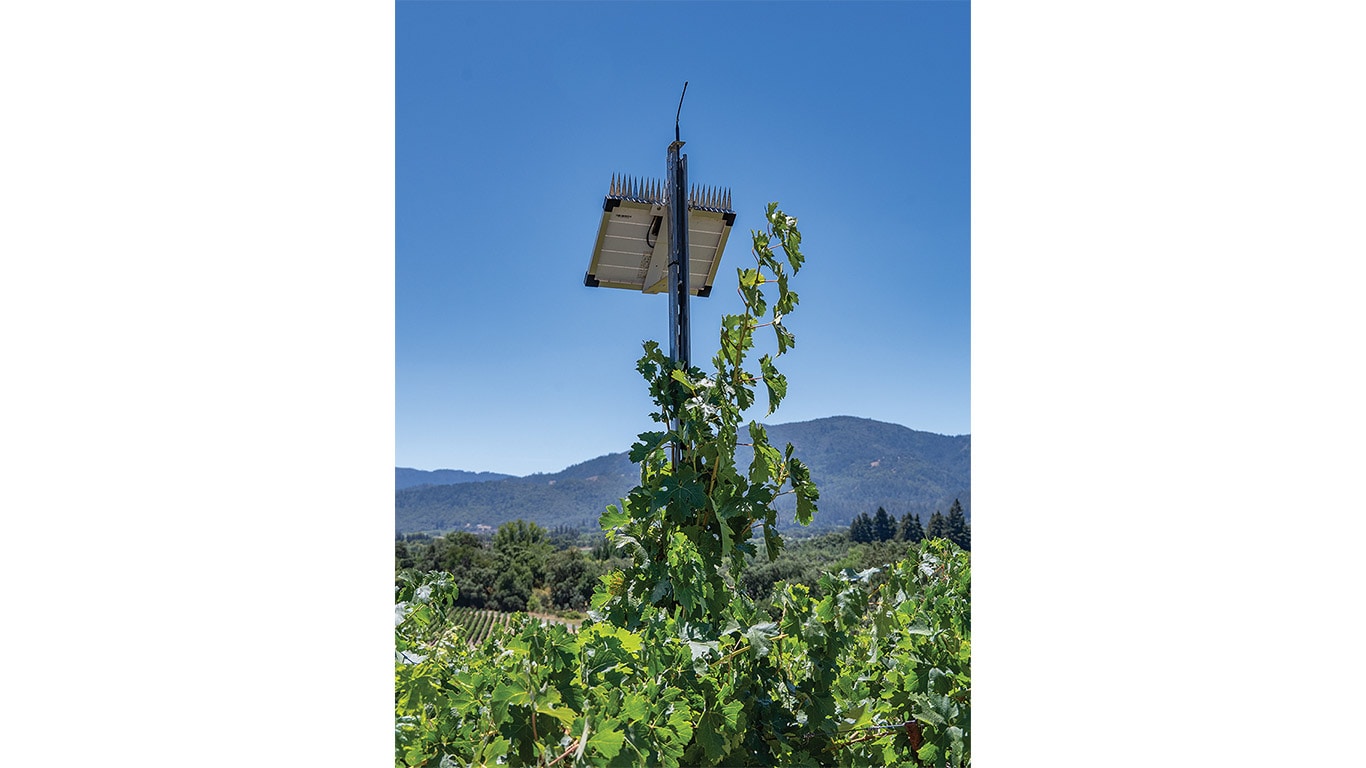
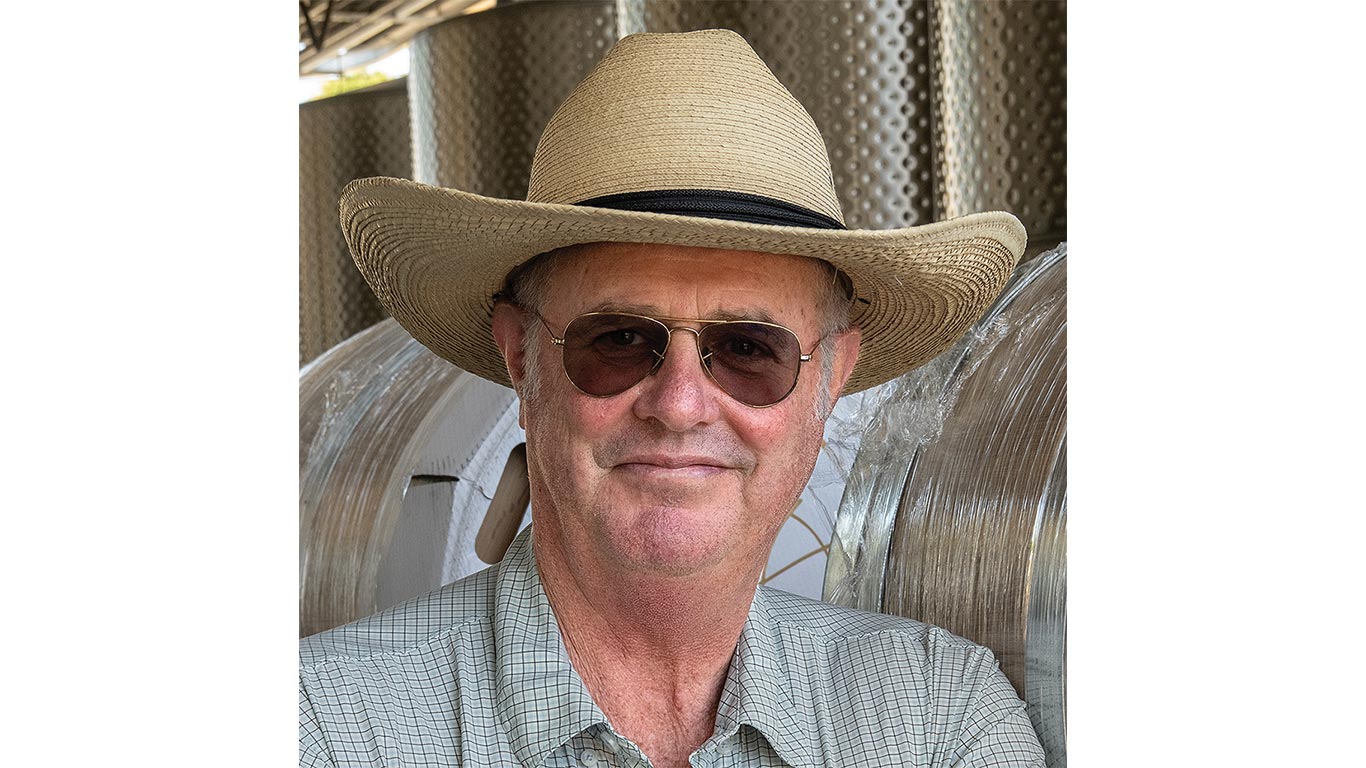
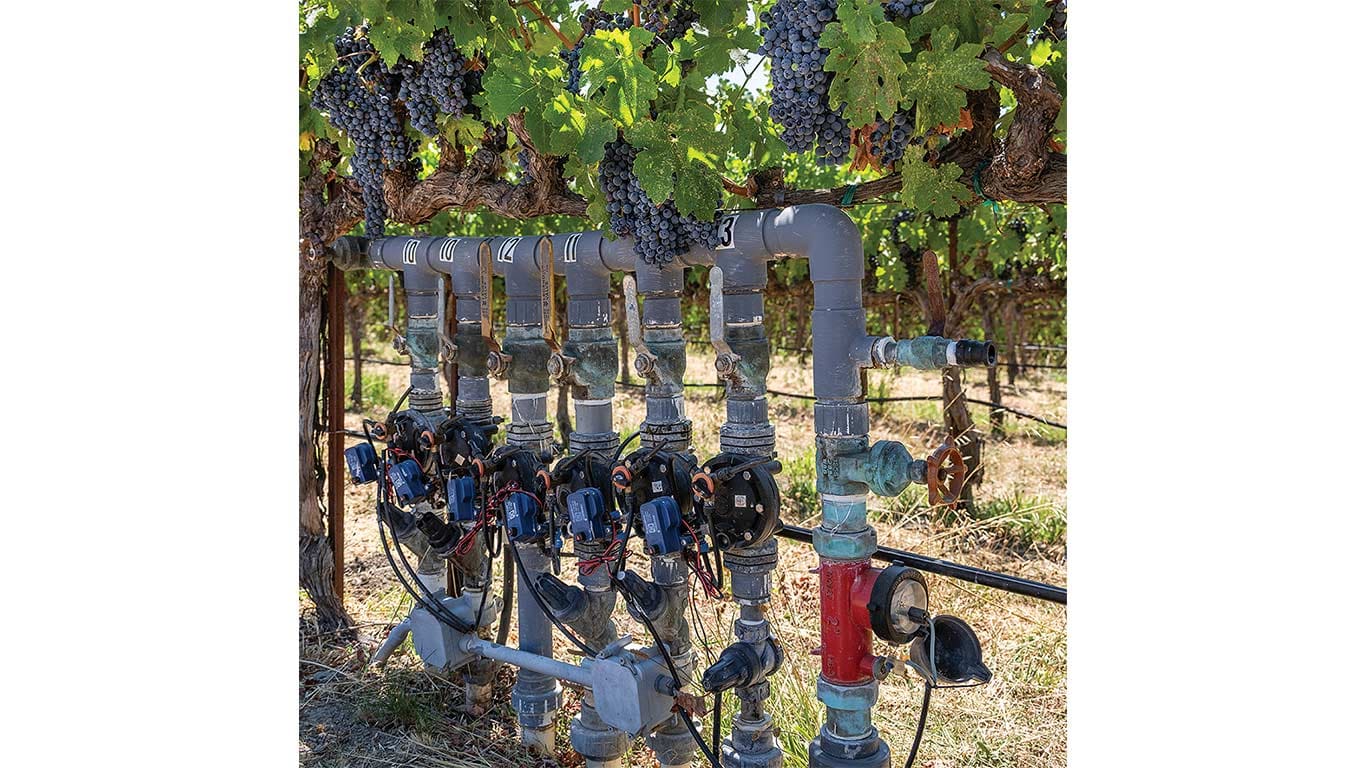
Above. Proper irrigation is key to the quality of Gamble Estate's super-premium winegrapes. Weather stations provide critical data. Tom Gamble supplies top wineries and produces his own wines. Automated irrigation valves.
Managing by crop need rather than by the clock—when irrigation workers come on and off their shifts—can push fine-tuning to a whole new level, says Gamble. It also frees him and his team to focus on other challenges.
''You want to be as smart about where you put your boots as possible,'' he notes. ''All these tools are supposed to allow us to actually walk in the vineyard and think about the bigger picture rather than the nitty gritty of the day. You can start thinking ahead and being proactive.''
That comes at a cost, notes Leigon—not just of the equipment, but in time and patience.
''You've got to be passionate about it,'' Leigon says. ''You've got to be willing to put up with the bugs. The companies building these systems are great, but they're building the plane while they're flying. Every day, things are changing, even how the back end of the system works. It's like getting updates for your apps all the time. We're in the pioneer stage, so you have to be up for some of the frustrations.''
Gamble adds that he and Leigon still have the final call.
''I don't know that we've entirely handed the keys over,'' he says. ''There's still a lot of verification that's going on.
''[The AI system's] allowed us to be more nimble and efficacious, and I think our execution is much better because of it,'' he notes. ''But all the data in the world might not replace your experience.'' ‡
More articles related to:
Read More of The Furrow
AGRICULTURE, EDUCATION
A Roller Coaster Ride
Fifty years of ups and downs in the Canadian farm commodity market.