 A John Deere Publication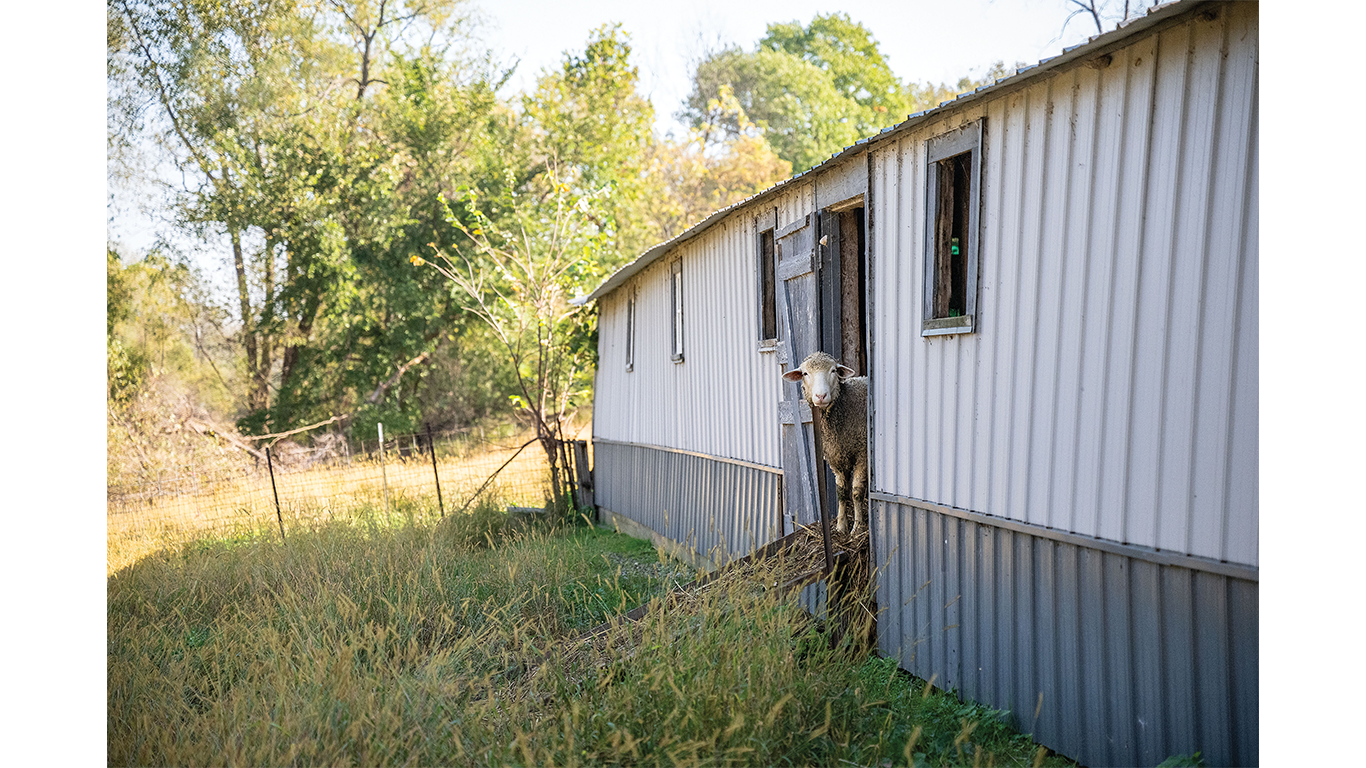
Curious by nature, sheep and goats will find their way into—and out of—just about anything.
Agriculture, Farm Operation September 01, 2026
Small Ruminants, Big Lessons
Essentials of raising sheep and goats.
Story and Photos by Katie Knapp
Sheep and goats are not small cows. That's the first thing Extension educator Sabrina Florentino wants beginners to know.
"It's like playing basketball," she confesses. "Guarding the taller, slower girl is actually easier than the short ones who are super-fast and can jump really high. That's what sheep and goats are like compared to cattle. They will jump right over your shoulder or the fence."
Her colleague Dr. Angie Varnum, DVM, couldn't agree more.
Both work for University of Minnesota Extension. After sympathizing about these lovable but often challenging animals, they put together a list of specific things to know about sheep and goats before getting in too deep.
First things first. Know why you want to build a flock or herd. Meat, milk, wool, soap, vegetation management—or a 4-H project with no bounds?
Florentino says every decision becomes easier once you've written down the end goal. "When your neighbor is feeding something different and raising twice as many on half the acres—but they have a completely different goal than you—you won't get caught in the comparison trap."
Next, get in the habit of looking and feeling.
"Really feel under the wool so you don't miss whether your sheep is getting thin," Varnum advises. "This goes for furry goats in the winter, too."
Check under the eyelids for signs of illness, look at the jaw for lumps and bumps, feel the udder, and don't forget the hooves. "And if you have rams or bucks," Varnum adds, "don't forget to check their most important asset."
Infrastructure is more than a barn, they explain. It's protecting your animals from each season's elements, from predators, and—perhaps most importantly—from themselves.
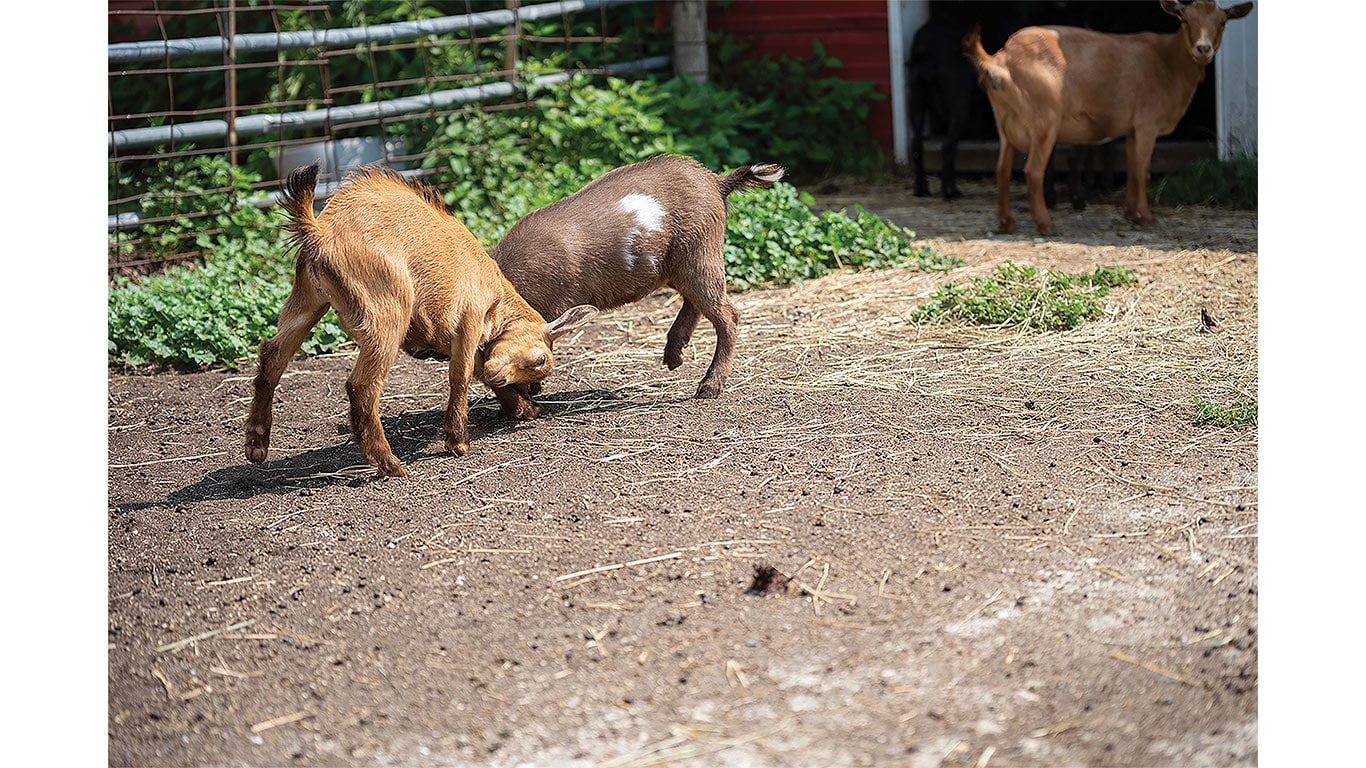
"They are going to want to escape," Florentino says. "Don't count on cattle fencing to hold them in." She recommends netting fence, though warns it takes some patience to manage.
Varnum puts it simply: "You'll never purchase too much fencing, but you'll probably make the mistake of putting it in the wrong place." Start with a little, see what works, and always have an extra pen for sick or new animals.

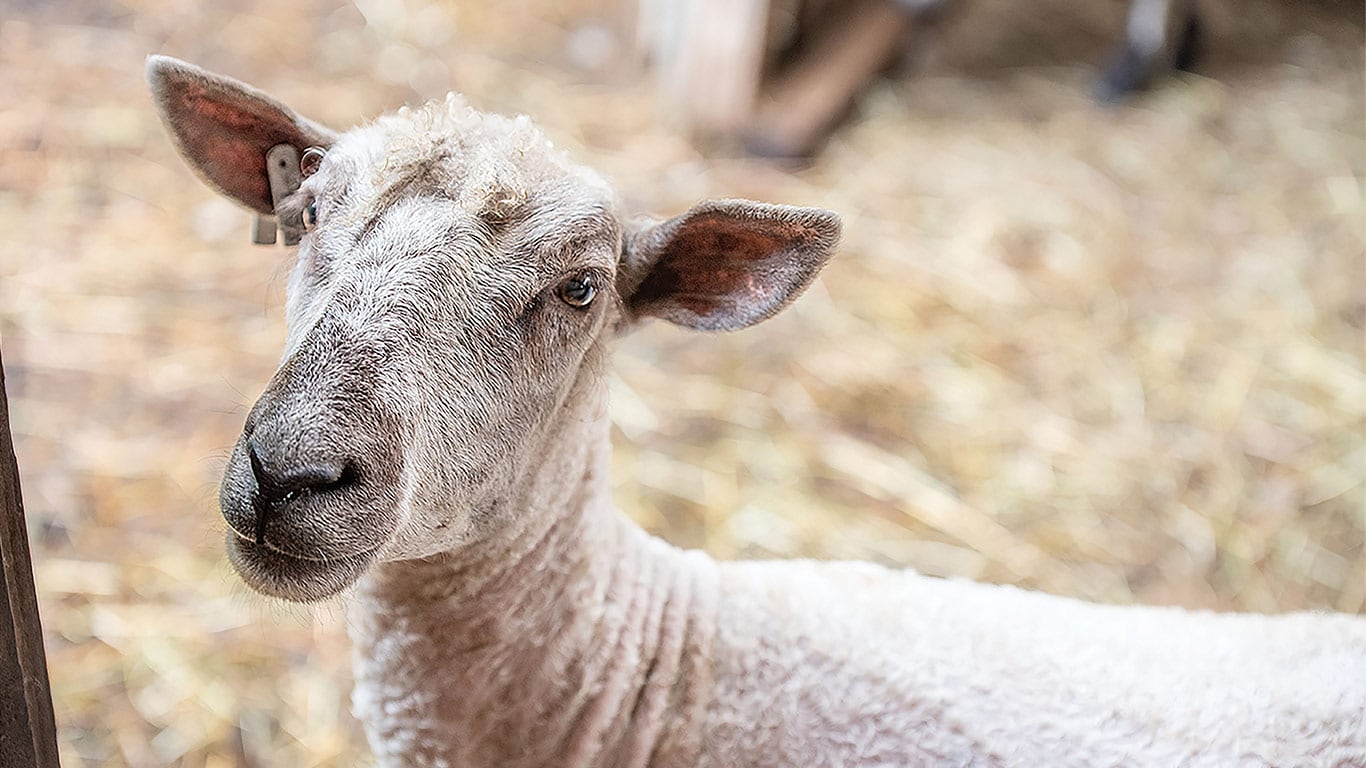
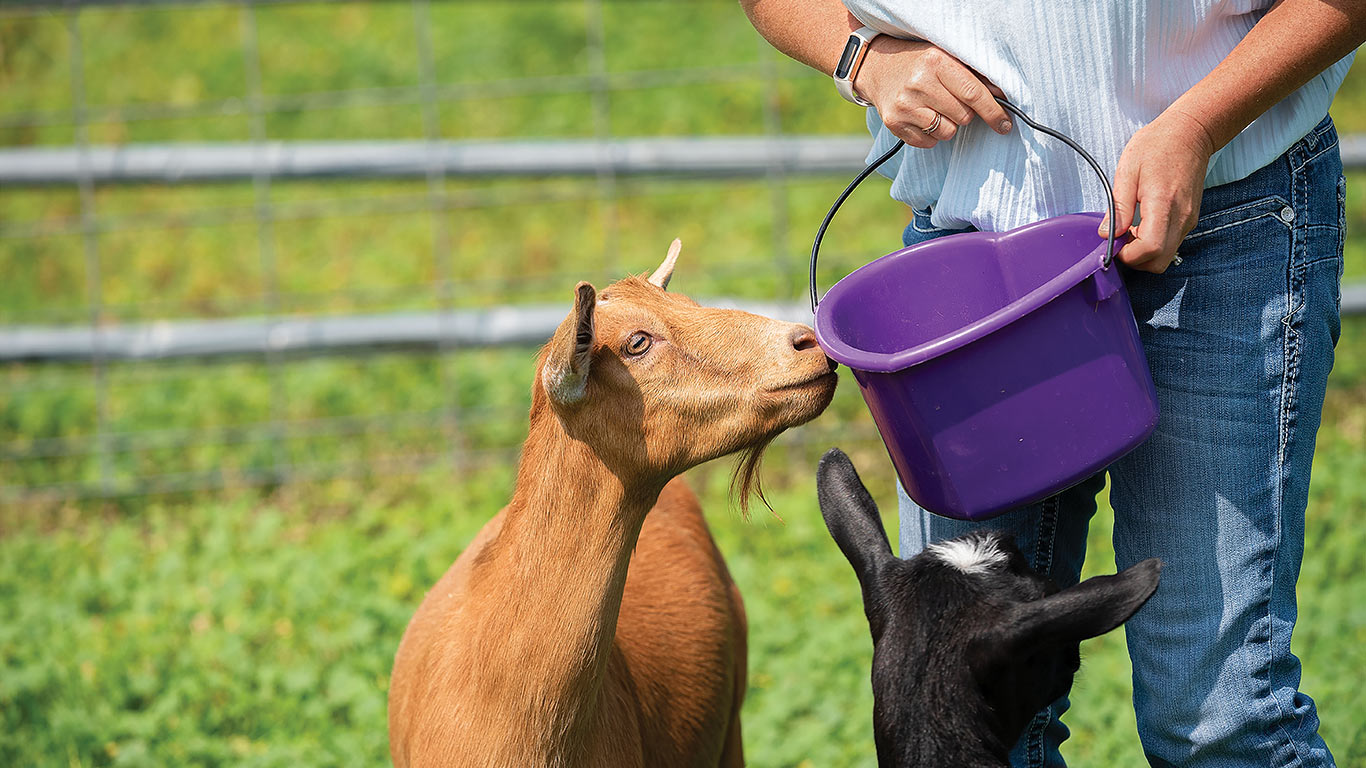
Above. Extension educator Sabrina Florentino (left), and large animal veterinarian Dr. Angie Varnum (right), both work for University of Minnesota Extension. Together, they have seen many ways raising sheep and goats can go wrong and have suggestions for ensuring it goes well. Building a routine around feeding and observation is important for keeping a flock or herd healthy.
When things get tricky. Finding a large animal vet willing to see sheep and goats is harder than most beginners expect. Varnum knows this firsthand from the other side of the table. "Inviting your vet out before you need them goes a long way," she says.
Nutrition is where differences really show up. Sheep favor grasses; goats go for woody shrubs and browse other vegetation. Beginners need to decide between commercial feed or building a specific ration with a nutritionist. Either way, the highest quality feed, Florentino says, should be given the weeks leading up to and around lambing and lactation.
That's also when pregnancy toxemia becomes a real risk, especially for ewes or does carrying twins or triplets. "If anyone even thinks about not coming up to eat in their last three to four weeks of pregnancy, treat that as an emergency," Varnum says. "Once they go down, their prognosis gets a lot worse."
Vaccines are another conversation worth having early with your vet. "The big takeaway is that you've got to give vaccines before the risk event happens," Varnum says. Timing and protocols vary, so work with your veterinarian to develop a plan that fits your specific operation.
When bringing new animals into your operation, take your time. Quarantine new ones away from your existing flock or herd for at least a few weeks. "You want to know what you have before you bring a new animal into your system," Varnum says.
Sheep and goats are truly flock animals, and that shapes everything about how you handle them. Trying to separate one from the group without a good strategy is a losing battle. Get them into a small pen first, then work from there. "I watched all the safe handling videos, but I didn't truly believe it until I had my own sheep and tried to move them," Florentino admits.
Even with the best care, illness happens. Parasites are among the most common challenges—and one of the most stressful. "No matter if you are in Minnesota, Oklahoma, Canada, or New Zealand, it's a problem," Varnum says. "Get your resources from local sources."
Both Florentino and Varnum agree, the best defences are a good relationship with your vet, a sharp eye, and a willingness to ask for help early rather than late.
Wherever you are in the process—still dreaming, just starting, or already in it—Varnum has one final reminder. "You are not alone when challenges happen on your farm or in your flock. It's a completely normal and natural part of it."
Florentino adds, "And don't forget about manure. It's going to happen, so have a plan."
More resources are available through the U of MN Extension sheep and goat YouTube page. ‡
More articles related to:
Read More of The Furrow
AGRICULTURE, EDUCATION
Conjuring an Oasis
Water strategy coaxes life from the desert.