 A John Deere Publication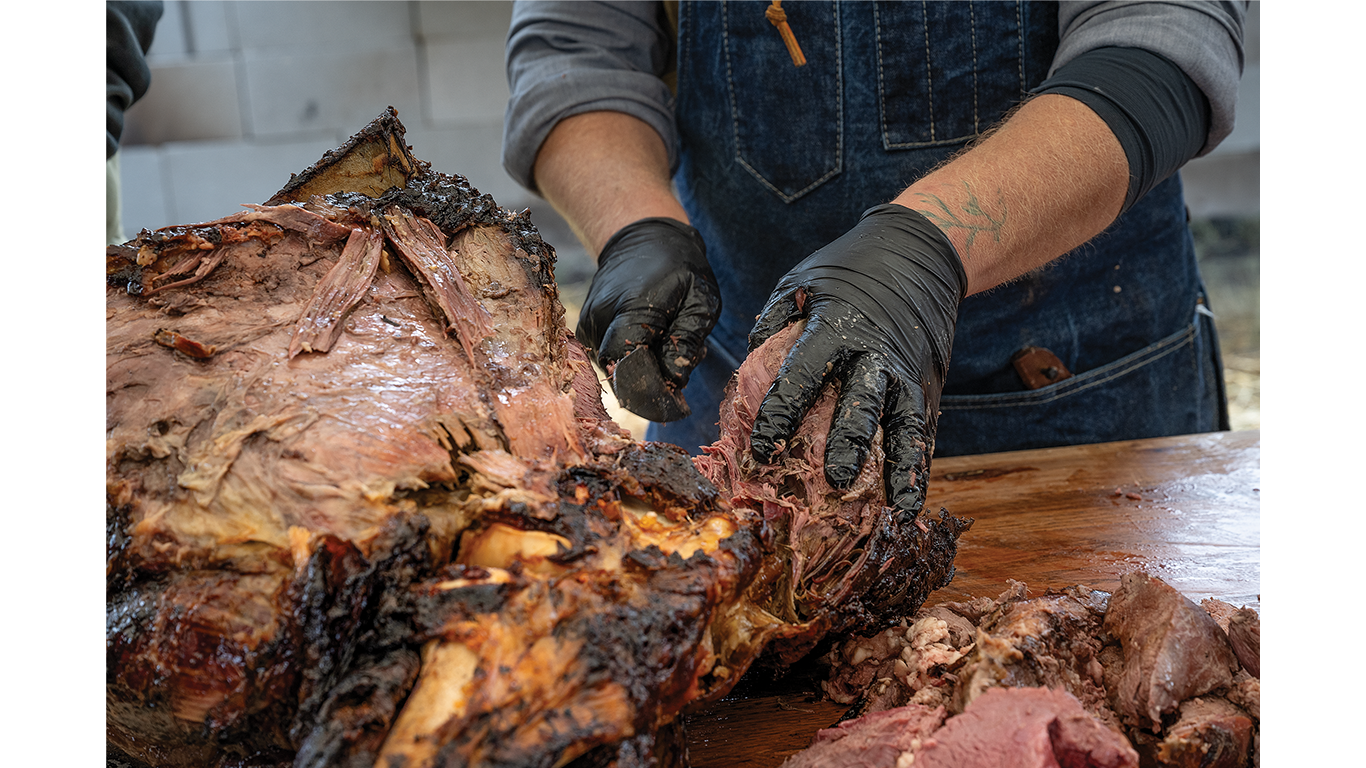
Much cooking is done in the open over flame. When feeding 1,500 people, however, some construction is helpful. A simple oven made of cinder-block walls, iron racks, and a metal cover manage large primal beef cuts.
Specialty/Niche September 01, 2026
Fired Up Cooking
Open flame brings an element of taste.
Story and Photos by Martha Mintz
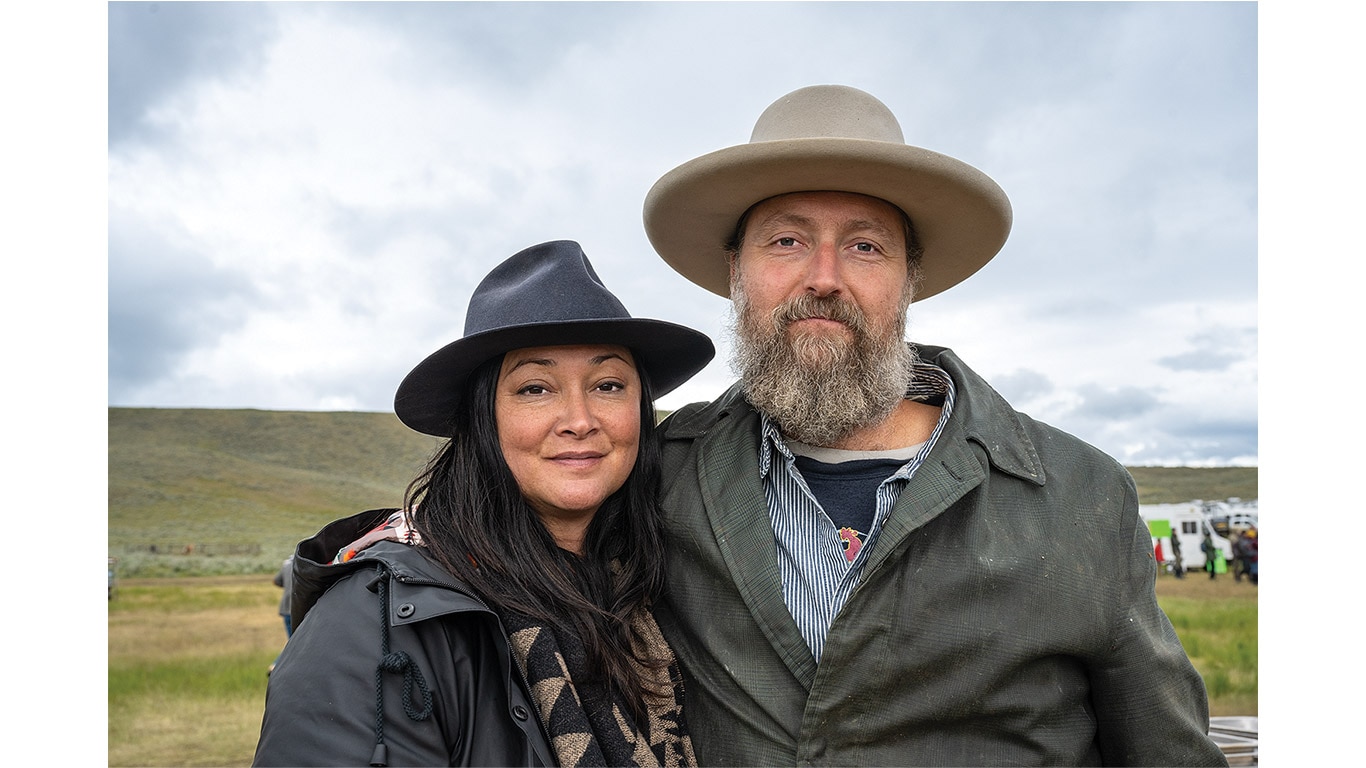
There are no walls in the kitchens Mona Johnson and Jaret Foster construct for their open fire cooking events. It's a fact for which attendees at the 2025 Old Salt Festival in Helmville, Montana, were very grateful.
The June mountain day dawned wet and chilly, but Johnson and Foster had 1,500 people to feed. As they built their fires and began suspending bunches of corn, carrots, and cabbage from the 'iron chandelier' straddling the fire, they drew a crowd.
A steady flow of people wandered about unfettered warming their hands and helping feed the fire. They marvel at the whole lambs on iron crosses leaning over smoldering coals, and wonder at the delicious smells sneaking from underneath a 15-foot-long, tin-covered cinder-block oven. The onlookers ply the chefs with questions about their elemental and rustic cooking style.
"We could cook with propane, but we like to do things the hard way," Foster says. "Cooking outdoors with fire is a very visual and fun experience. I love setting up kitchens in unsuspecting places."
The first such location was a popup event on a friend's driveway in Oregon. It was a calçotada, a Spanish celebration of the calçot, an early spring onion.
Johnson and Foster were lifelong foodies and trained culinary artists. They met managing and promoting the Portland farmers' market. This driveway adventure was simply an extension of their dining table as the pair shared a love for food and entertaining.
"It was so simple, just a celebration of spring centered around fire and one ingredient, a humble spring onion," Foster says. They prepared the onions in the traditional calçotada style, roasting them right over a fire.
"It was such a fun idea. We realized we wanted to build more of these moments around fire and food and the beauty of the experience," he says.
They formed their company, Tournant, and started hosting 'farm to flame' events. The soirées featured the stunning fish, meats, and produce that so inspired them at the farmers' market.
Though he'd worked in top kitchens in New York City, open flame was a return home for Foster.
"I grew up camping in Montana, wild cooking over fires," he says. When the pair were thinking about events, they sought out unexpected and remote locations for their culinary experiences.
"We want to bring people to places like the beach or a mountaintop." Or a 6-day retreat at Julia Child's cottage in Provence, France.
Food was always a passion for Johnson, but not always a career. In her early life she worked in marketing in New York City. She was always the team member to find the best restaurant for client dinners. Then the world changed.
"I witnessed the towers fall on September 11," she says. In the time after, she lost her sense of smell and taste, likely due to stress. This was a terrible blow for the consummate food lover.
"I vowed that if I ever got my sense of smell and taste back I would pursue my passion and go to culinary school."
Thankfully, she did. Now she and Foster bring amazing experiences to others with their events.
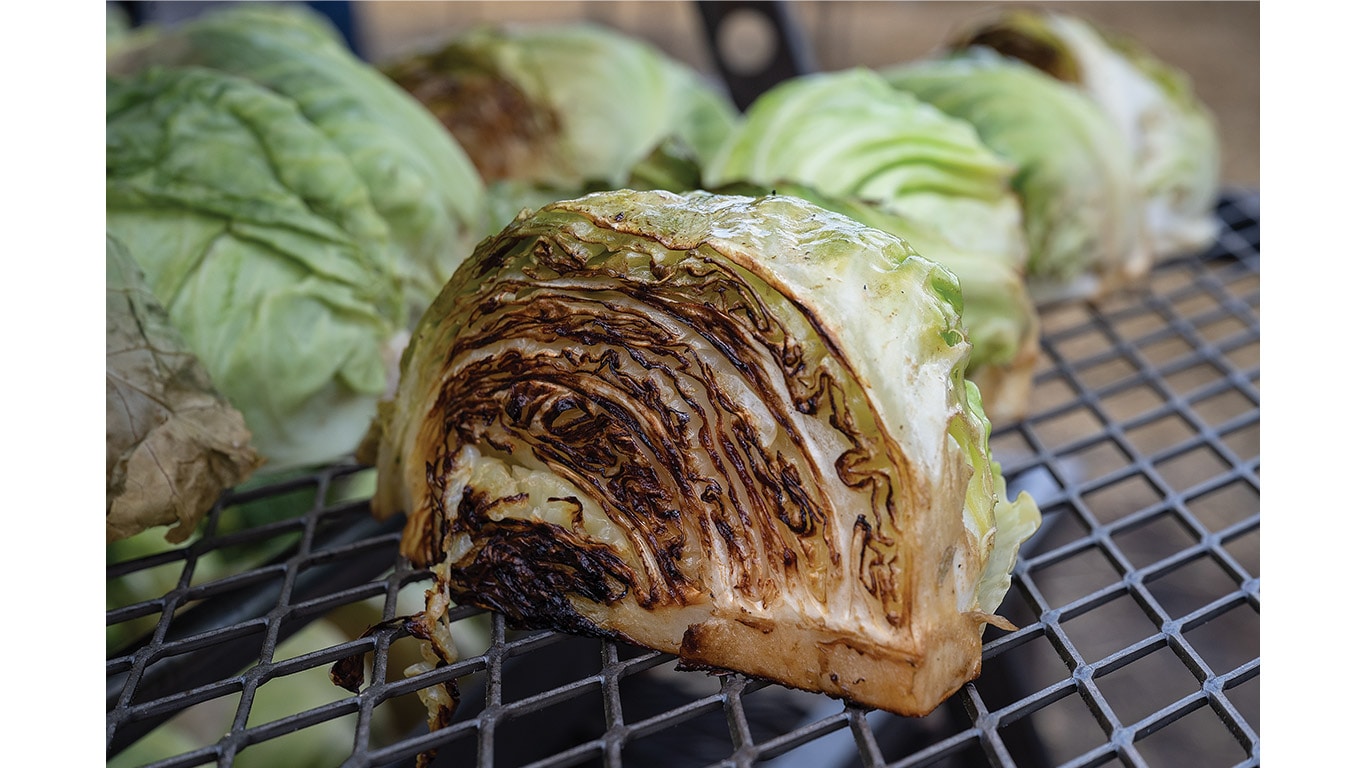
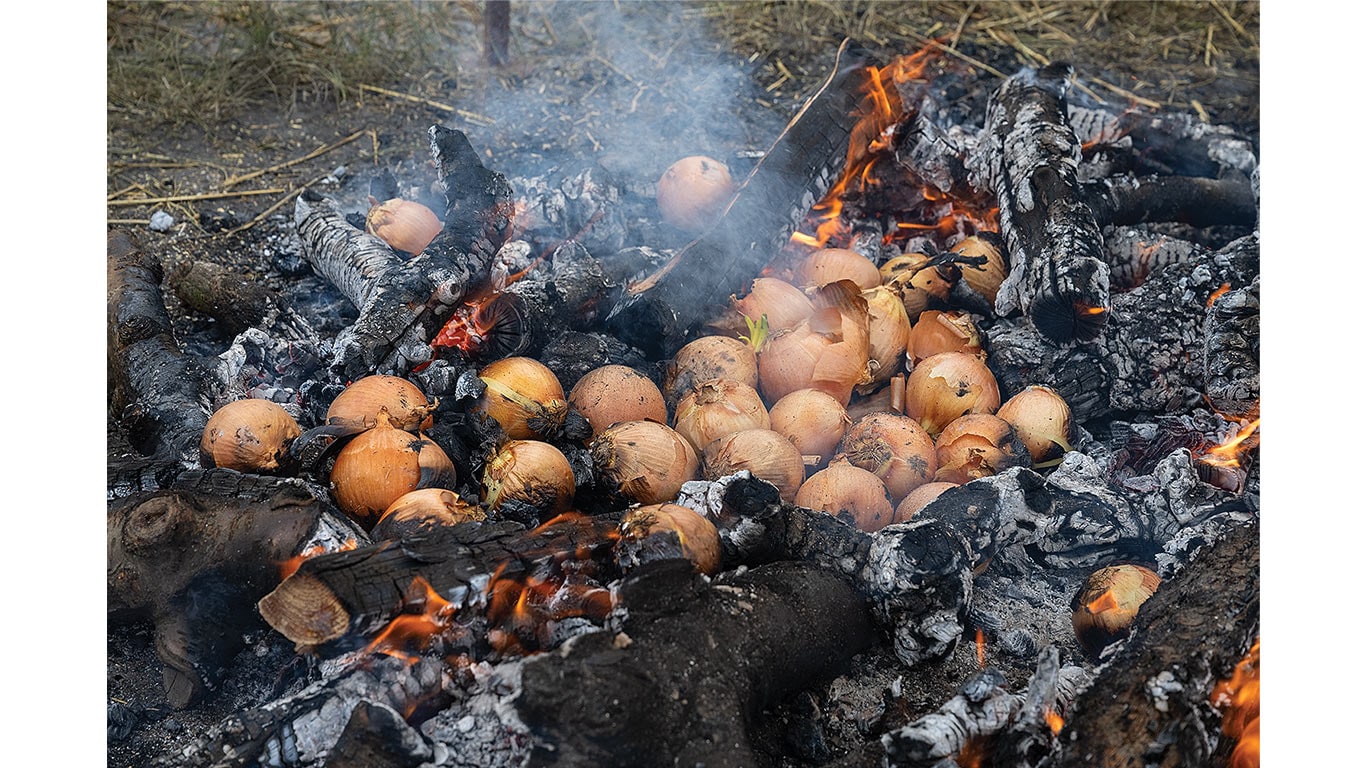
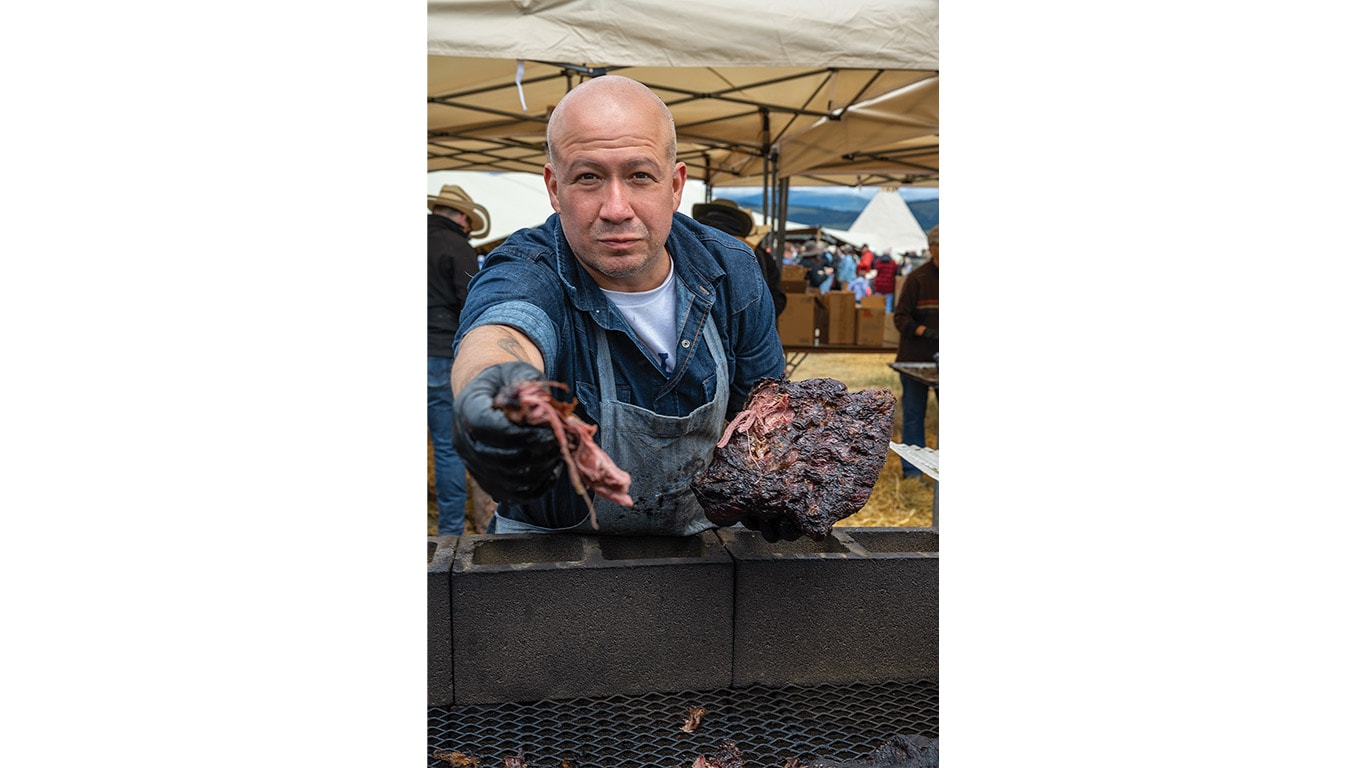
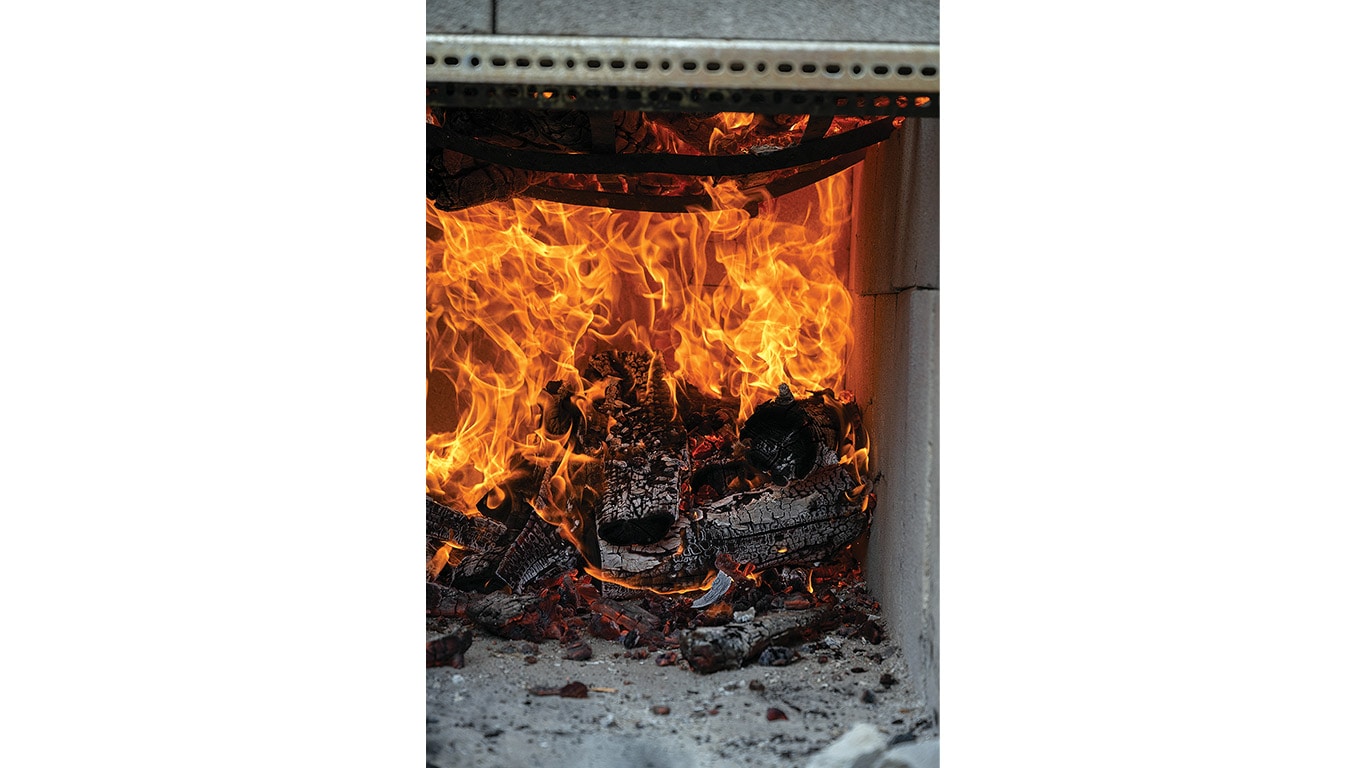
Above. Veggies gain color and flavor over the open flame. Ash-roasting vegetables like onions is a favorite method for Mona Johnson and Jaret Foster. Their CFO (chief flame officer) Joe Rodriguez offers a fresh-from-the-fire sample. A mother fire provides a constant supply of coals. It's usually easier to bring the fire to the food.
The flame. Being chefs, Foster and Johnson always bring taste and flair to the table.
"We're complicated. We have to bring in touches like sauces, spices, and edible flowers," Foster says.
Flame is still the heart of the show. The most shocking display is when they toss whole vegetables right into the coals for ash roasting. Onions, pumpkins, eggplant, cabbage; into the fire they go.
"I love whole vegetable cookery," Foster says. "The outside burns but the inside steams. A whole onion will burn two to three layers down, but when you open it up it's the perfect expression of onion: smokey and tender."
Early season wild cooking favorites include stinging nettle Gnudi (dumplings made with foraged plants and simmered over the fire) and cedar planked salmon—recipes for both are available in their Tournant eCookbooks.
"We love the beauty of the food," Foster says. And the experience. "With fire, it's all about time, temperature, and managing for weather. If you love food and cooking all day out in the elements, you might should answer the call of the flame." ‡
More articles related to:
Read More of The Furrow
AGRICULTURE, FARM OPERATION
Small Ruminants, Big Lessons
Essentials of raising sheep and goats.
AGRICULTURE, EDUCATION
Homesteading 101
School of Ranch helps homesteaders learn new skills.