 A John Deere Publication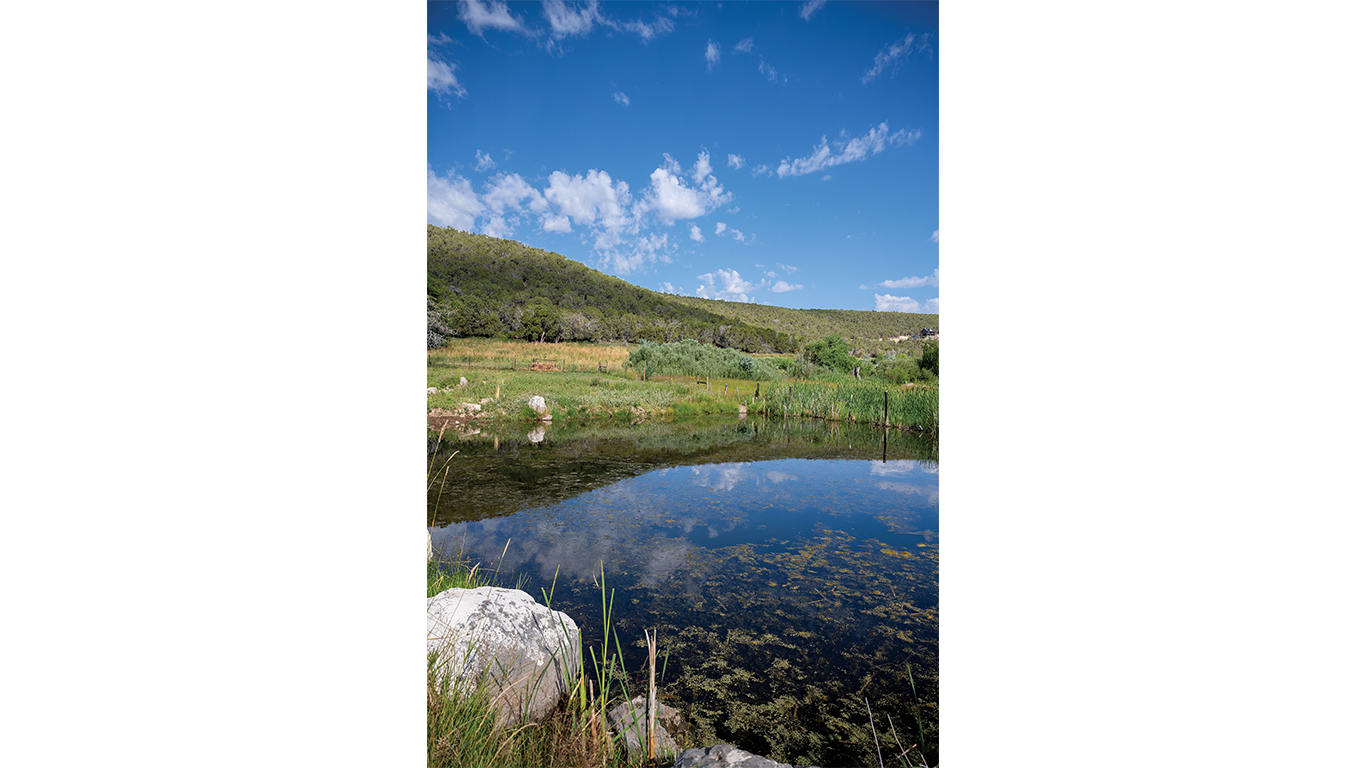
Once dormant springs now recharged help sustain ponds and wetlands even in drought.
Agriculture, Education September 01, 2026
Conjuring an Oasis
Water strategy coaxes life from the desert.
Story and Photos by Martha Mintz
Jake Takiff doesn't have many before photos of his Hotchkiss, Colorado, land. He was a bit slow to adopt smartphones, he says. Unfortunately, he needs only to glance over his border fence to see how far his land has come.
His 10-year campaign to rehydrate a once-parched landscape has manifested a veritable oasis. A place where the grass really is greener on the other side. Or, in some cases, a place where the grass is only on his side.
"When I moved here it was pure knapweed," he says. Russian knapweed and dry dirt specifically. The 40 acres supported just 7 head of cattle. Today, he grazes 40 head on the same footprint.
Tremendous change has been wrought through strategic water management on dryland acres.
"The land was cheap, but had potential," Takiff says. There was no water nor water rights, just seasonal runoff and waste from irrigation higher in the watershed.
Takiff became a beaver.
"Nature is not unmanaged. Nature is very heavily managed to maintain a delicate balance between plants and animals," he says. Beavers, bison, and wolves were keystone species all removed from the landscape. "Without those species, the land reverts to a moonscape unless we step in to mimic their impact."
In Takiff's system, cows replace bison and, for now, he's replacing the beaver and the wolf.
Beavers slowed water movement, retaining it at higher elevations and fostering lush grasslands. Those grasslands in turn acted like a sponge to further keep water cycling in place.
"When beaver dams were removed, water sped up and the desertification of the west began," he says. But it can be reversed, as he's proven so vibrantly.
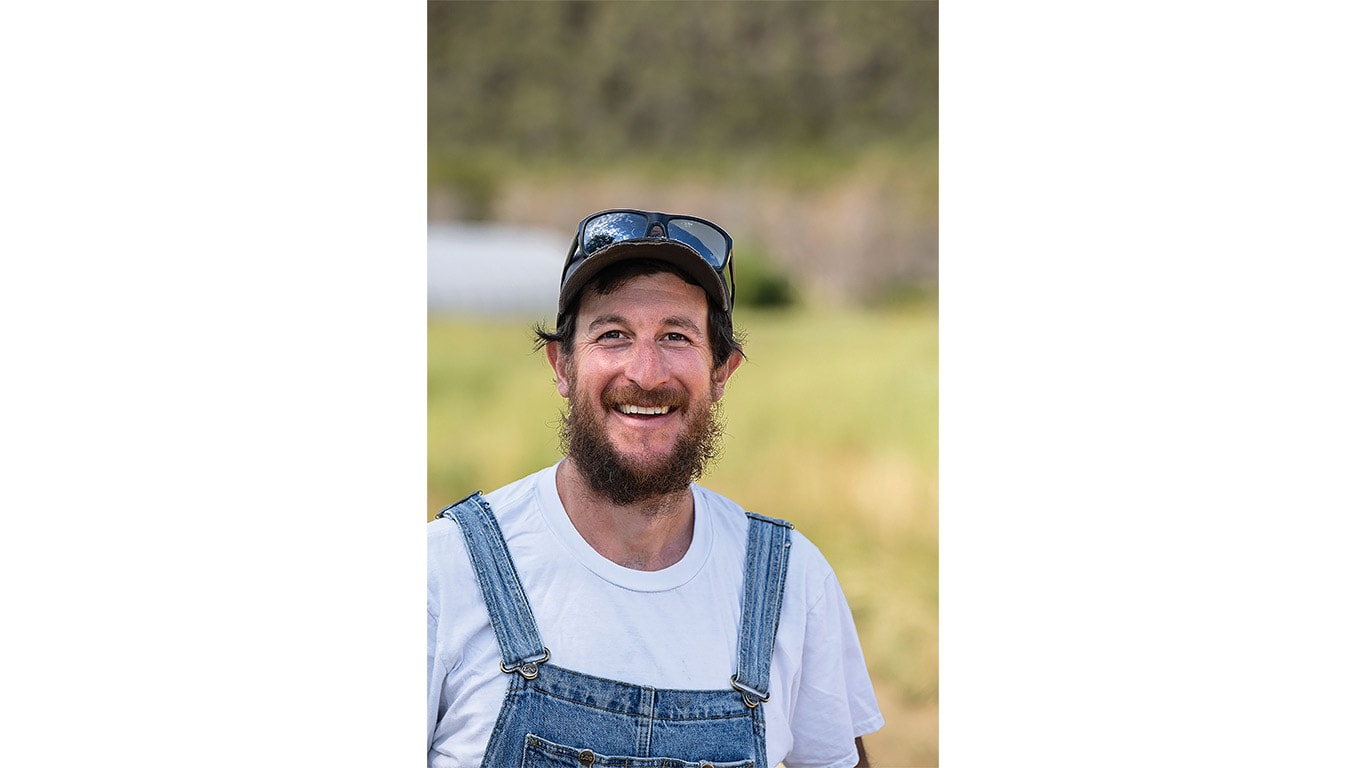
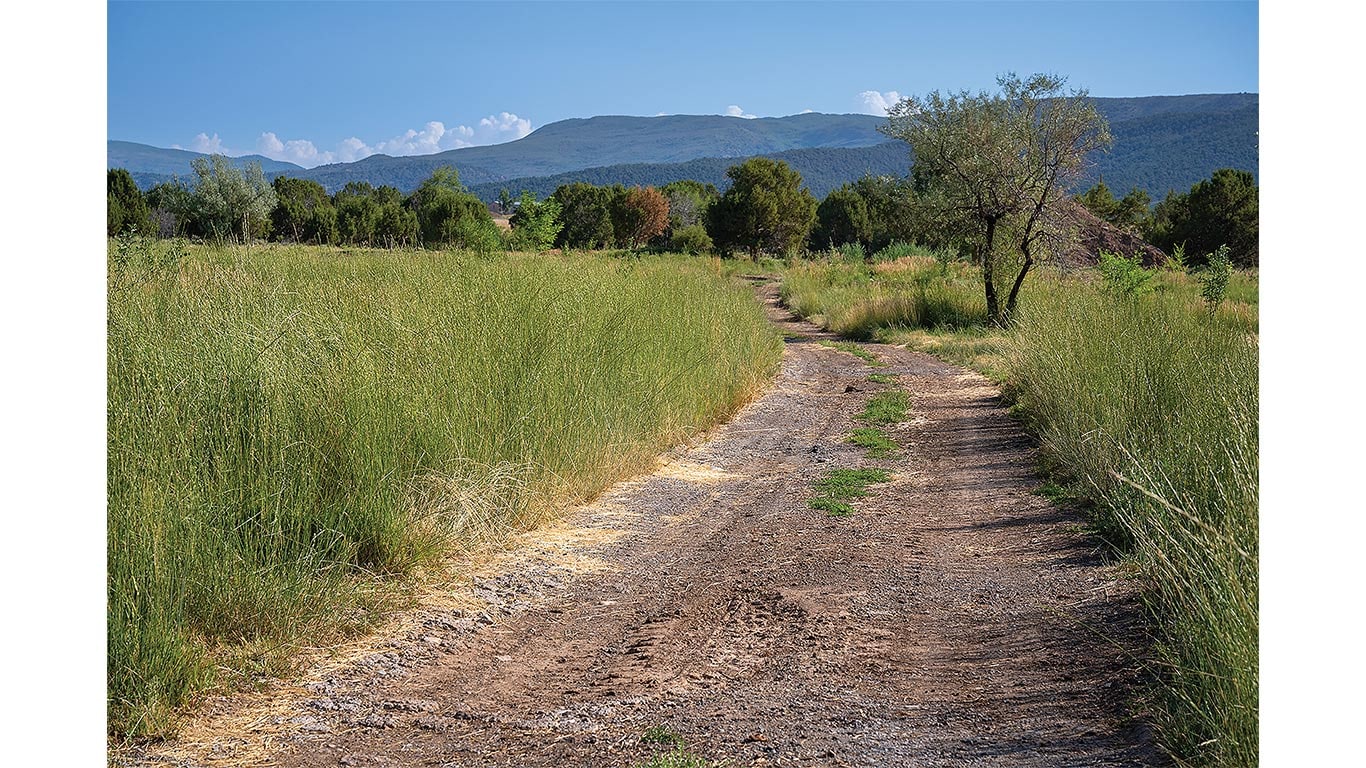
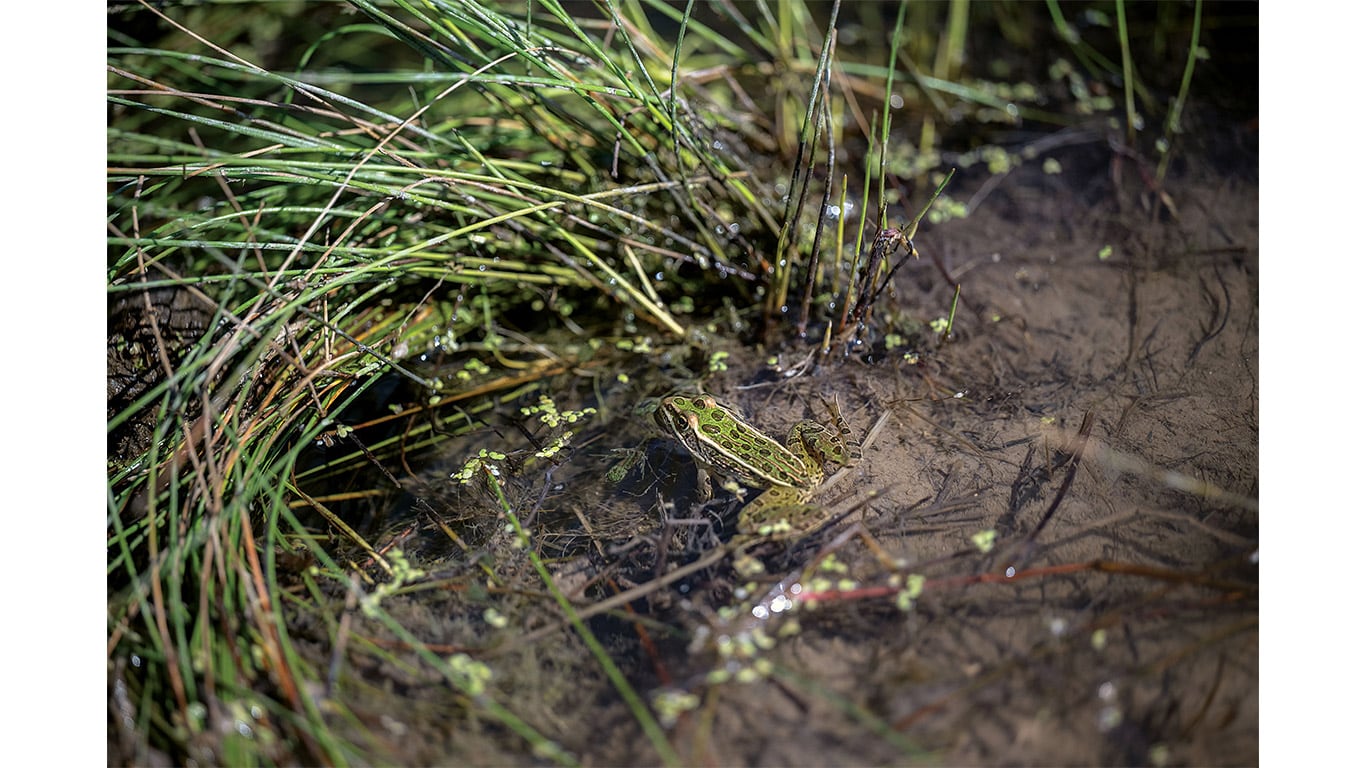
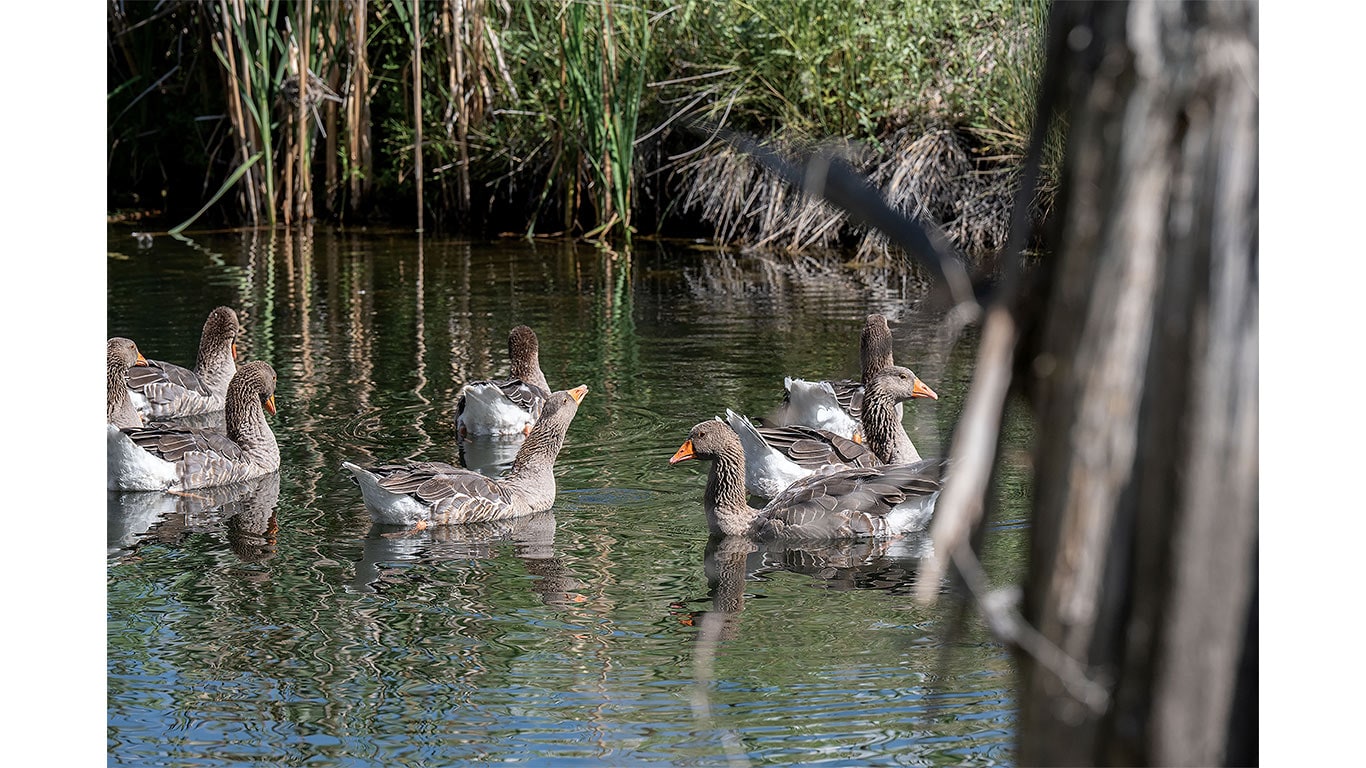
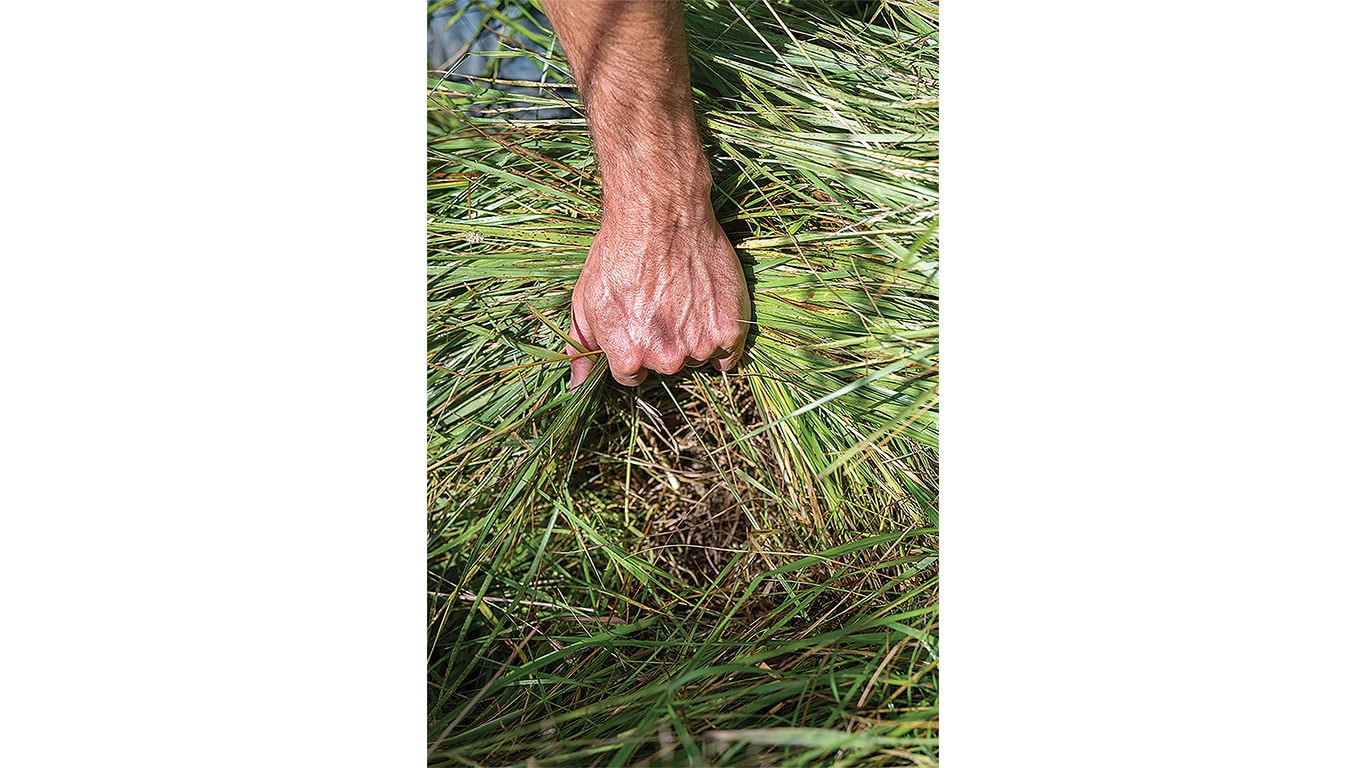
Above. Jake Takiff has slowed water, re-hydrating acres to recreate the thriving grassland and wetlands that existed when beavers, wolves, and bison roamed the landscape. His cattle thrive as do threatened species like the northern leopard frog. Stepping onto Cedar Springs farm is like going through a portal. Instead of parched desert there is running water, ponds teeming with wildlife, and lush grasslands. Takiff also consults and sets up similar systems for others.
Being the beaver. Takiff needed to slow the flow of water. First he installed several small dams to catch irrigation runoff. In Colorado it's legal to capture irrigation runoff provided no one downstream has water rights.
"By catching this water we were able to rebuild our water table using the waste of other operations," he says.
Next came laser-guided earthwork to ensure water spread strategically across as much land base as possible. All earthwork is pitched at just 1% to gradually trickle water through the system. This not only retains water, but nutrients as well.
Contoured into the graded land are swales: long runs of slight indentations. They serve to capture water and let it filter incrementally across the landscape. Between each swale are grazing alleys where Takiff rotationally grazes his Devon feeder steers.
Planted throughout the system are thousands of trees: honey locust, mulberry, apples, hazelnut, plums, black locust, and willows. Takiff is establishing a silvopasture system where trees work in harmony with grass and provide shade and nutrient-dense food for cattle and other livestock.
"Right when grasses die back and lose nutritional value, honey locust drop pods that are 30% sugar, high protein, and high energy. There's a blanket of pods the cows can eat," he says. He laments honey locust is an underutilized tool in most grazing systems.
Though terms like silvopasture, regenerative, permaculture, and other terms apply to Takiff, he's clear he's happy to mix in conventional practices. His irrigation system is mostly passive sub-irrigation, but he does use traditional irrigation where it makes sense. He uses gaited pipe, for example, to run water to higher locations on his property.
"I see the value in both," he says.
The transformation is stunning. While he did seed grass once, a substantial number of native grass species came back on their own with the return of water.
So, too, did springs that had long gone dormant.
One dam fed by the icy water of recharged springs supports a thriving trout population. The fish were stocked, but the 'gazillion' (an official number according to Takiff) northern leopard frogs now thriving on the farm came back with the help of cattle.
Takiff noted hoof prints left by his herd when grazing the wetlands he created fill with water. In those hoof prints he's spotted thousands of tadpoles.
"They're able to mature in these little caches safe from predation," he says of the species that's otherwise suffered from significant population decline in the state.
Takiff has taken a small amount of low-value land, re-hydrated it, and created a profitable business for his family through beef sales.
"We're not just regenerating the soil, but the whole ecosystem and using cattle to do it," he says. "We're the ecological repair team and beef is our byproduct." ‡
More articles related to:
Read More of The Furrow
AGRILCULTURE, FARM OPERATION
Bustling Hedgerows
Beauty, beneficials, and biodiversity boom in hedgerows.
AGRICULTURE, FARM OPERATION
Small Ruminants, Big Lessons
Essentials of raising sheep and goats.