 A John Deere Publication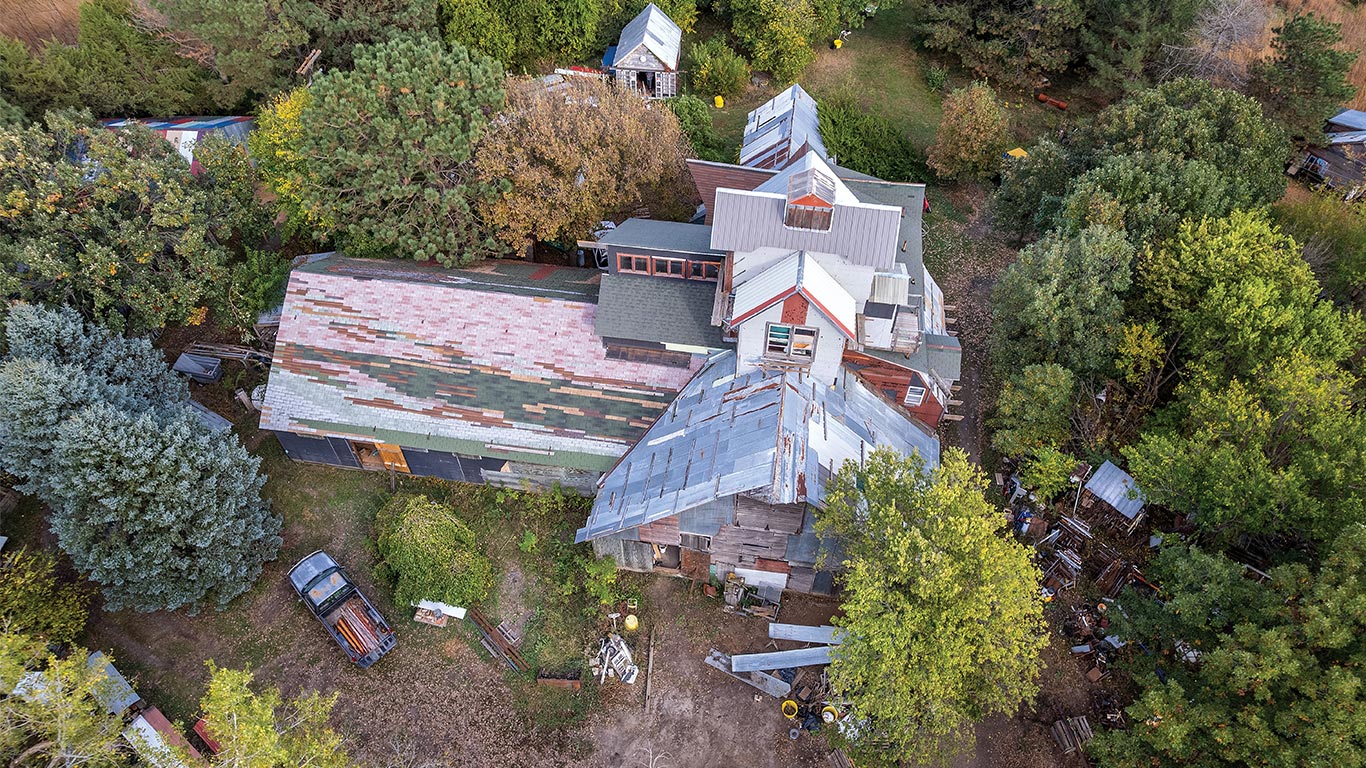
Dadey and his artists have moved some 17 buildings onto the property, including this Victorian home.
Agriculture, Specialty/Niche September 01, 2026
Cultivating Creativity
This little farm cultivates art, not crops.
Story and Photos by Bill Spiegel
It is a clear autumn day on a small farm west of Marquette, Nebraska. In the distance, small clouds of dust surround the combines in the midst of corn and soybean harvest.
On this 60-acre property, there is no harvest rush. The products are the people; their crop, creativity.
Ed Dadey inherited this Hamilton County farm 30 years ago. He quickly realized farming wasn't for him.
An art teacher by training, Dadey was inspired by the changing seasons, colors, and textures of the Nebraska prairie, and turned the property into a place where artists could ply their trade in rural Nebraska, away from distraction.
Dadey converted the century-old farmhouse in which he grew up into dorm-like rooms for three artists; two other dwellings can hold nine more. They can practice in one of the farm's 14 studios. The only mandate is working 12 hours a week on the farm.
"There are a lot of big projects happening all over the property," says Grace Wong, the de facto second-in-command at Art Farm. "That's one reason why it's not finished. When you have a farm, you work on projects infinitely."
Dadey has moved 17 abandoned homes, barns, and outbuildings onto the property, turning this space into art studios and living quarters. As part of their work requirements, the artists work on revisioning these abandoned structures.
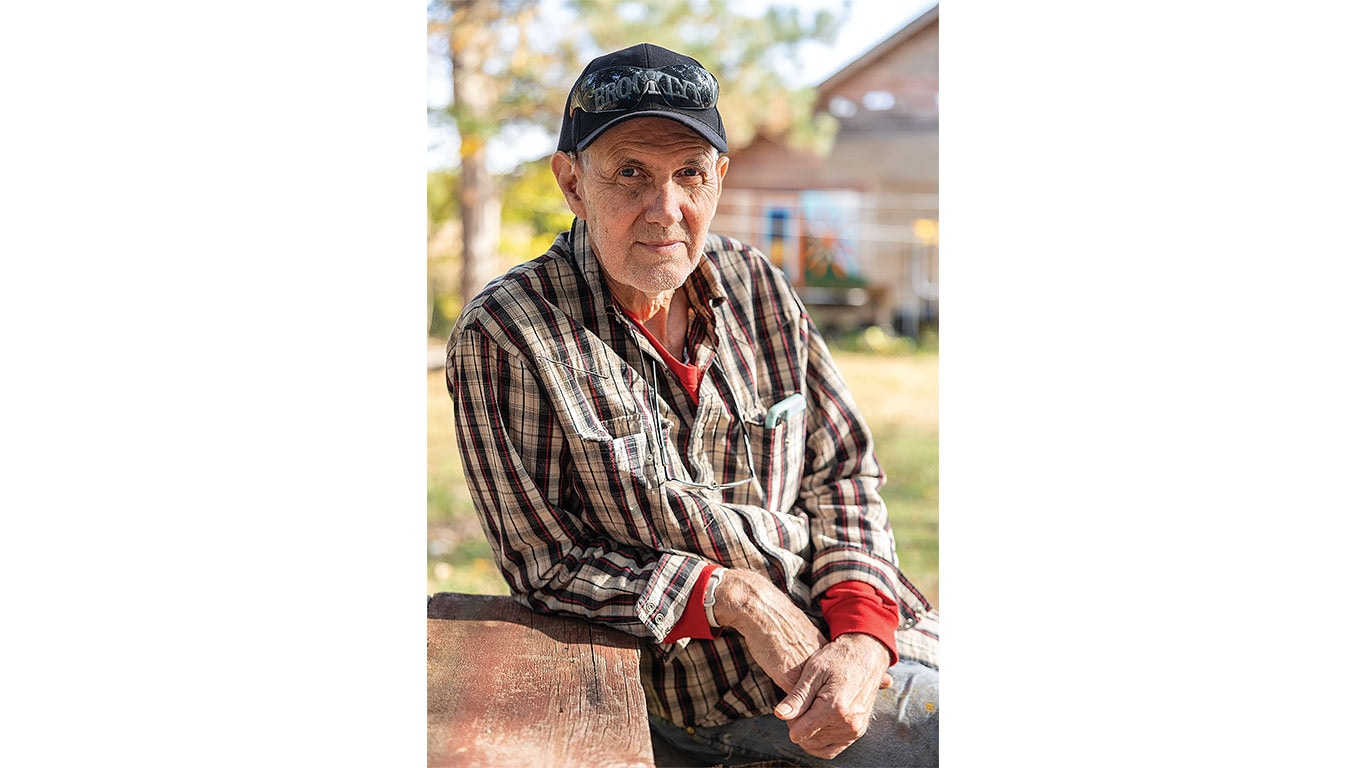
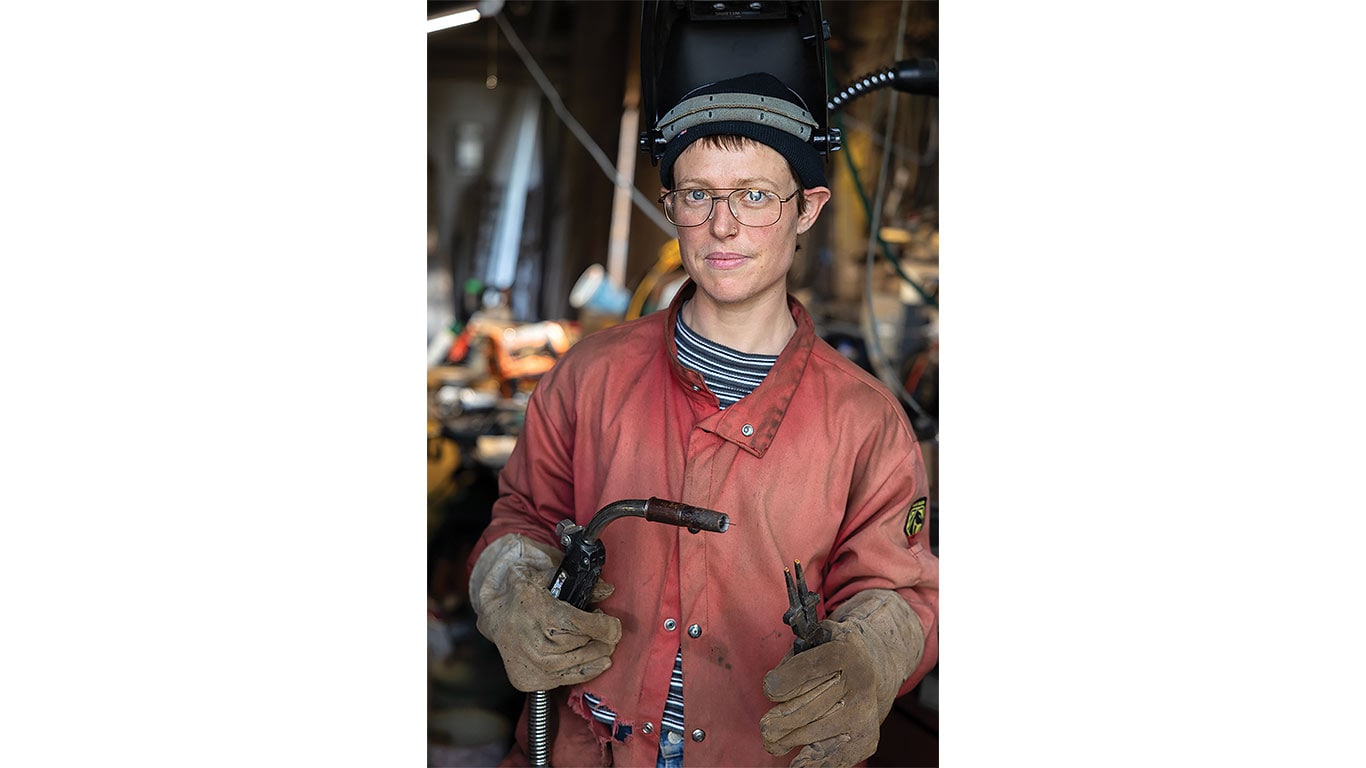
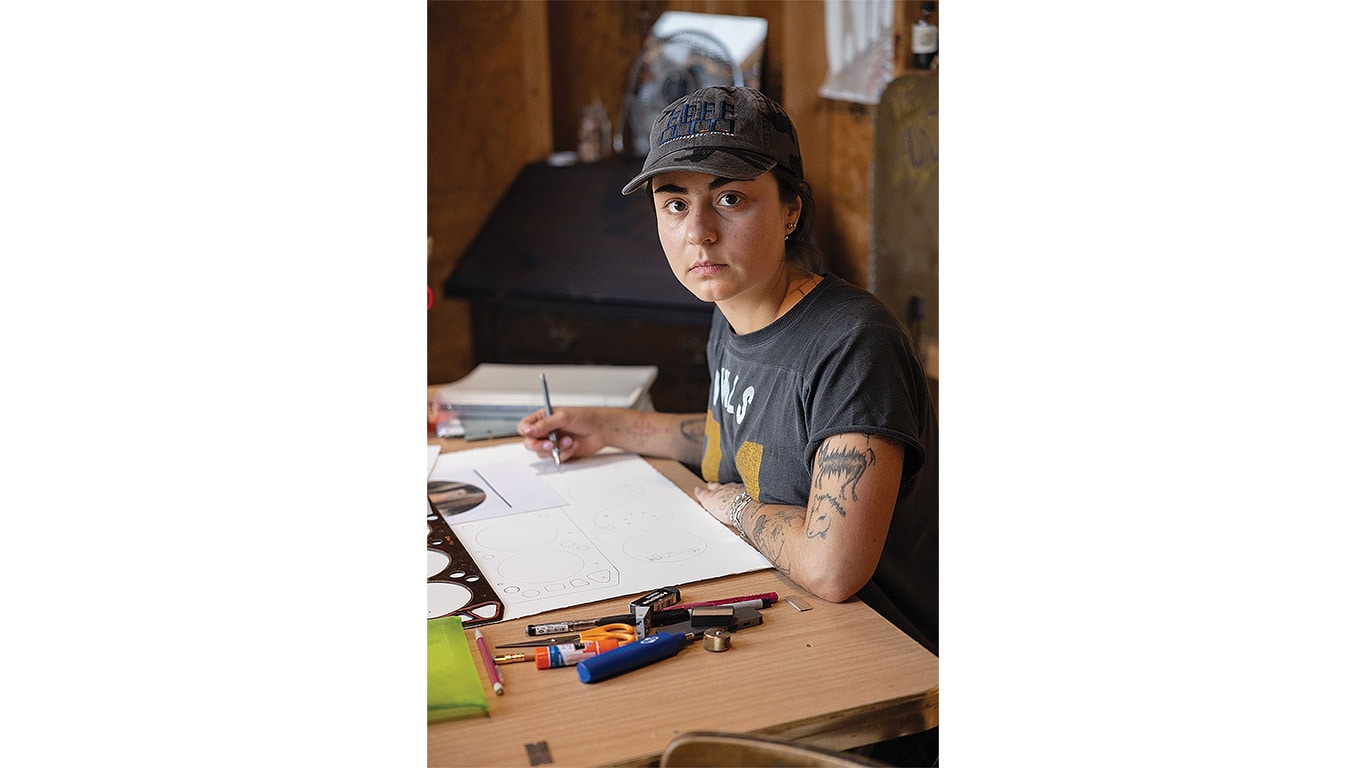
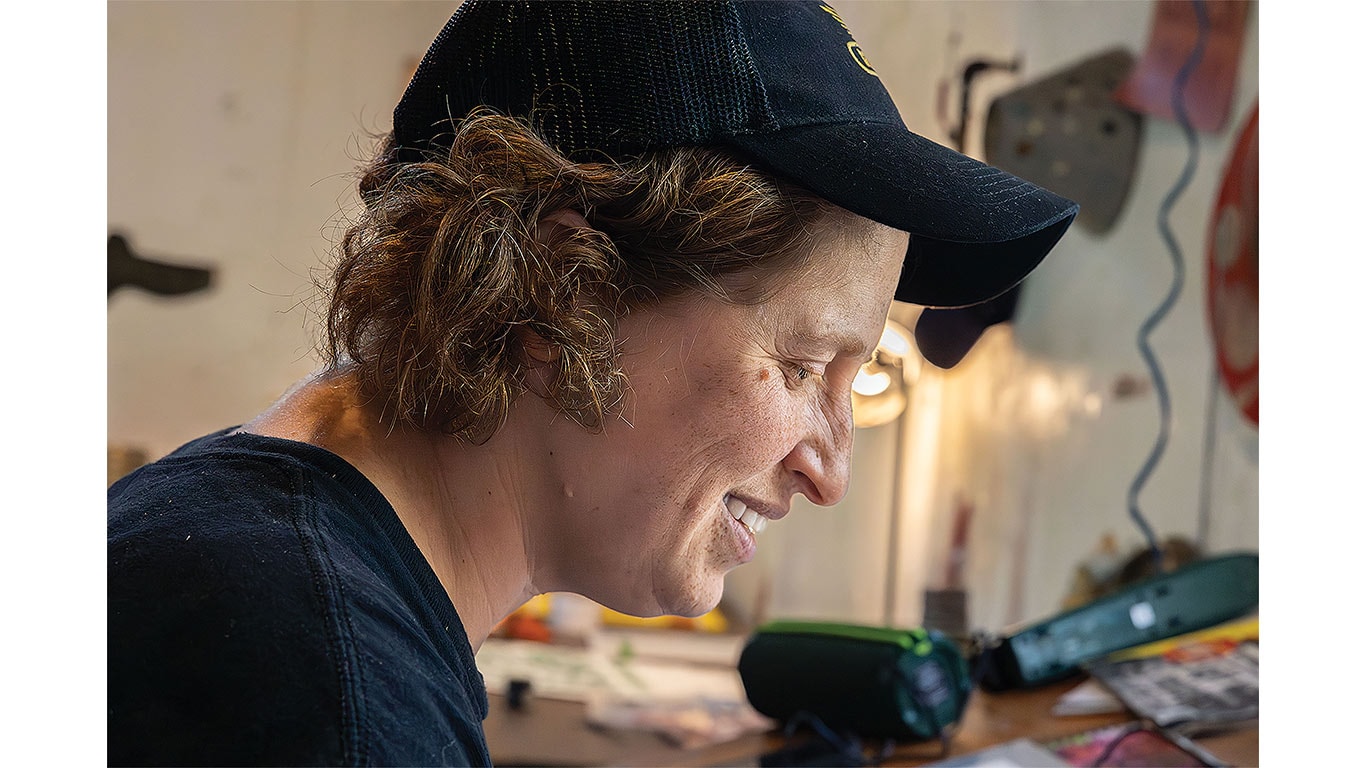
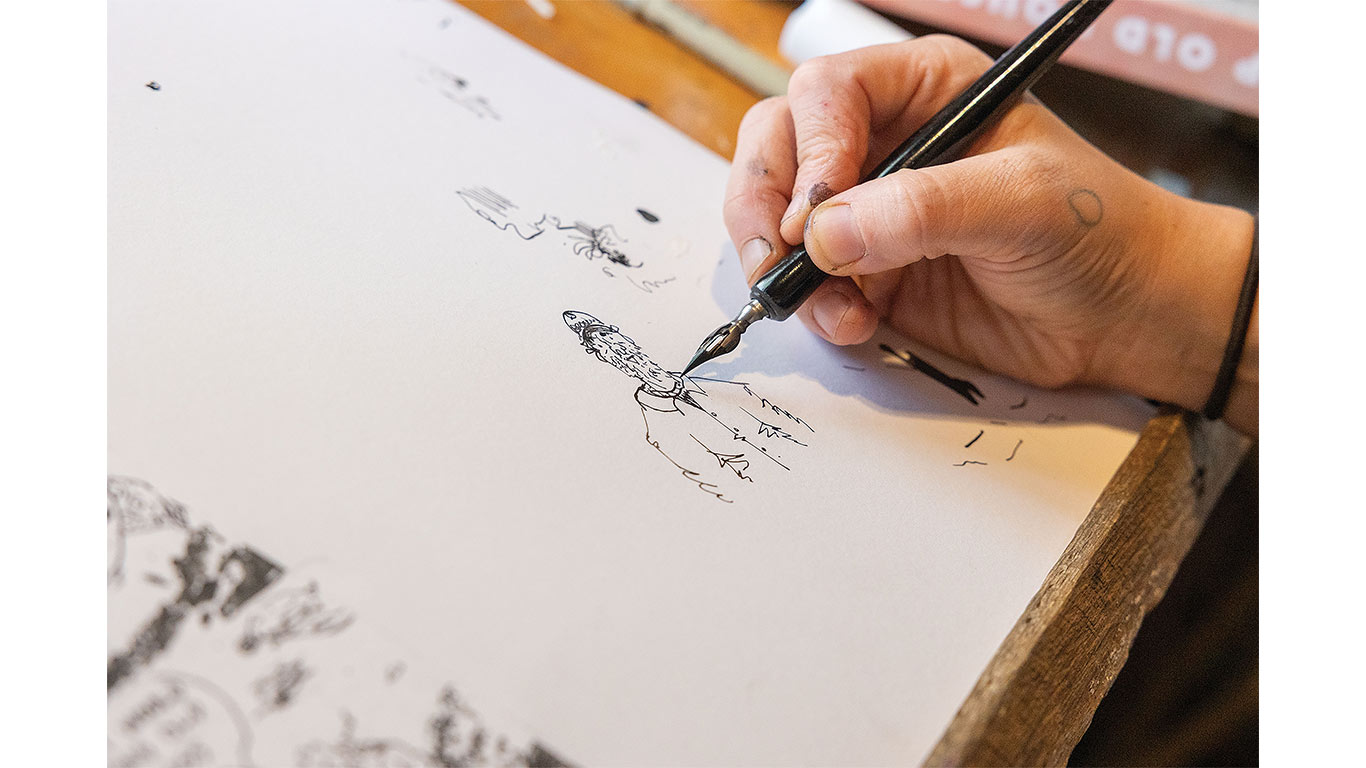
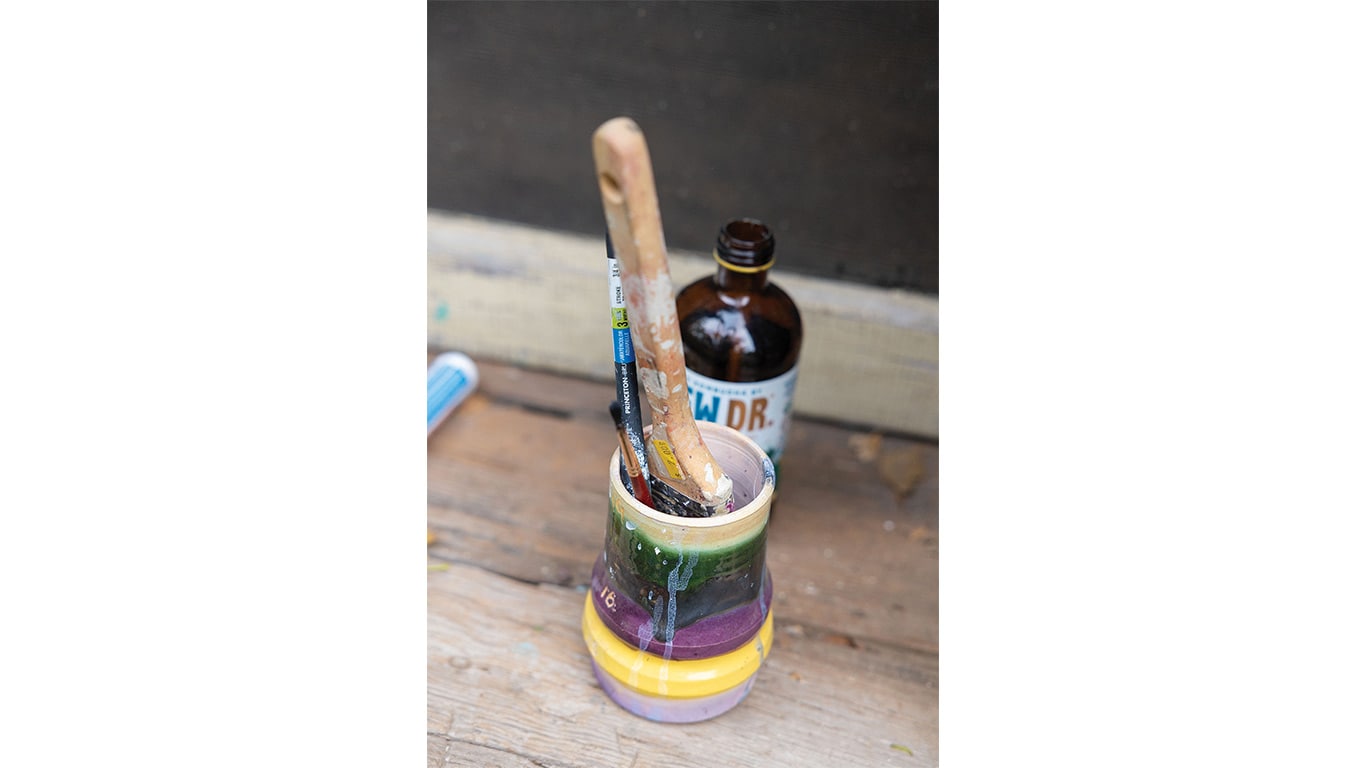
Above. Ed Dadey established Art Farm in rural Nebraska. Maryland sculptor Red Rae is welding a metal sculpture over two summers at Art Farm. Camille Garcia, a jeweler from Denver, says the space and quiet are inspiring. Sara Lautma, an illustrator from Baltimore, spent two weeks at Art Farm in 2025. Her sketch of Art Farm founder Ed Dadey is a tribute: "He's funny. He's just a cool, weird guy doing this amazing lifelong project." Residents have access to Art Farm materials but bring their own specialty media, too.
Over the last 30 years, more than 1,000 artists from the U.S. and abroad—and working across all mediums—have come to Art Farm. Artists must apply for residency, and the season lasts from April to November. One artist returned for four years to finish a project; another left just 45 minutes after arrival.
The studio Camille Garcia has selected for her residency faces south and a gentle breeze blows through open windows. This is her first trip to Nebraska Art Farm. The jeweler from Denver, Colorado, is seeking something: Peace? Inspiration? Solitude?
Like many artists, Garcia finds it difficult to practice at home. She has two jobs in Denver. There are bills to pay and responsibilities that take her away from her art.
Jewelry is her profession, but drawing, textiles, writing, and painting are her passion. Here at Art Farm, there are no distractions; her only focus is on bringing ideas to life.
"It is so valuable to be an artist and just have space. I've had a lot of ideas brewing in my head over the summer and I'm hoping to draft some of them out," she says. "Here you can just work. I mean, you have work hours, but the rest of the day you can do whatever you want."
Garcia spent a month at Art Farm. Meanwhile, Troy Chebuhar, a sculptor and painter from St. Louis, has come back for a week's stay; he spent six weeks here in 2023.
Art Farm calls him back, a home away from home, a community of like-minded people who find something here that city life cannot provide.
"I can take two weeks to come here and be fully immersed in art and have access to all the tools, learn new skills, and meet new people," Chebuhar says.
Ed Dadey says the Art Farm grows ideas and inspiration rather than corn or soybeans.
"People who come here become aware of so much more beyond what they've known before," he continues. "Their life has been enriched being here, among people who come from other cultures and different disciplines."
A different crop. Years ago, Dadey planted a cash crop here. It was overcome with weeds and couldn't be harvested. But something else happened. Thousands of migratory cliff swallows descended on the property for a week.
"The field was black from the swallows. They roosted on the side of the barn near the cupola. It was solid black, and there was a vortex of swallows above it all day long," he explains. "That was a good crop." ‡
More articles related to:
Read More of The Furrow
AGRICULTURE, FARM OPERATION
Late Season Lessons
Next year's corn crop starts now.
AGRICULTURE, FARM OPERATION
Bustling Hedgerows
Beauty, beneficials, and biodiversity boom in hedgerows.