 A John Deere Publication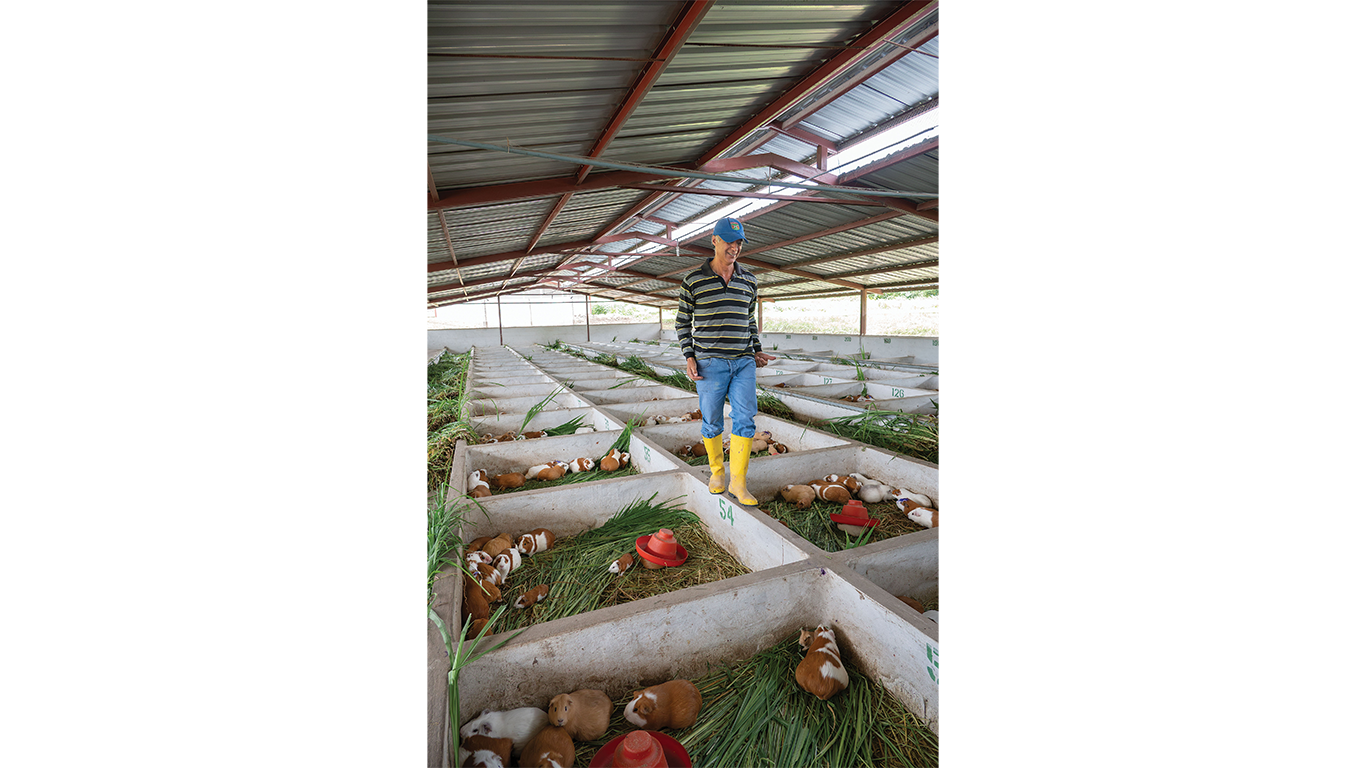
Díaz checks the pens of the 6,500 breeding mothers regularly. They produce nearly 5,000 pups per month.
Agriculture, Education September 01, 2026
An Unlikely Delicacy
Ecuador's most expensive–and sought-after–meat is the humble guinea pig.
Story and Photos by Katie Knapp
The sound hits you before your eyes adjust. A soft but sharp chorus—thousands of guinea pigs chutting and wheeking in their short, cement pens inside what looks like any other pig barn.
At Cuyera Andina farm, outside Urcuqui, Ecuador, there are 18,073 of them, happily eating their fresh-cut grasses.
When the Spanish arrived in the Andes in the 16th century, they encountered an animal indigenous people had been raising for food for thousands of years. Accustomed to the larger livestock they brought with them, the Spanish weren't interested in eating cuy. Instead, they shipped them home to Europe as curiosities.
That's when cuy became pets, and somewhere along the line earned the name guinea pigs.
In Ecuador, cuy never stopped being dinner. The only change is that what once was everyday fare for working families is now a delicacy.
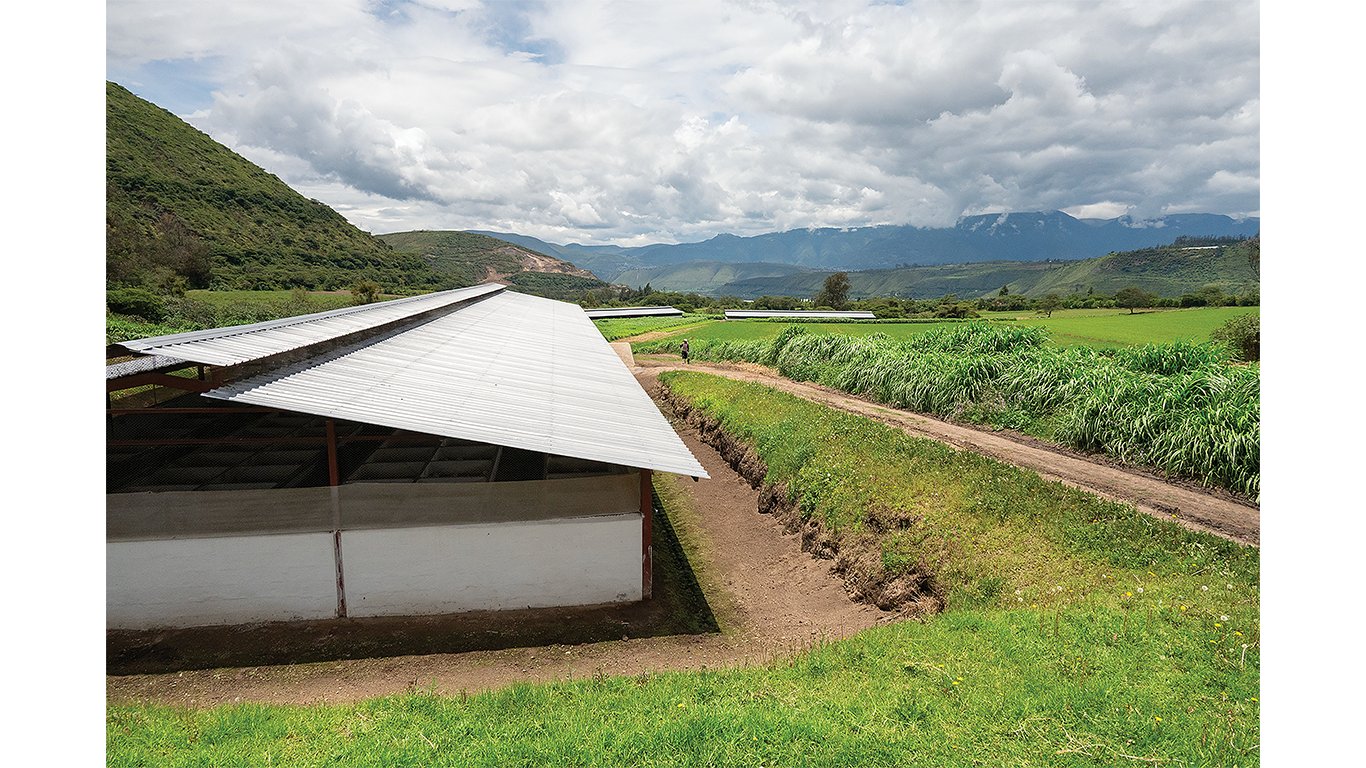
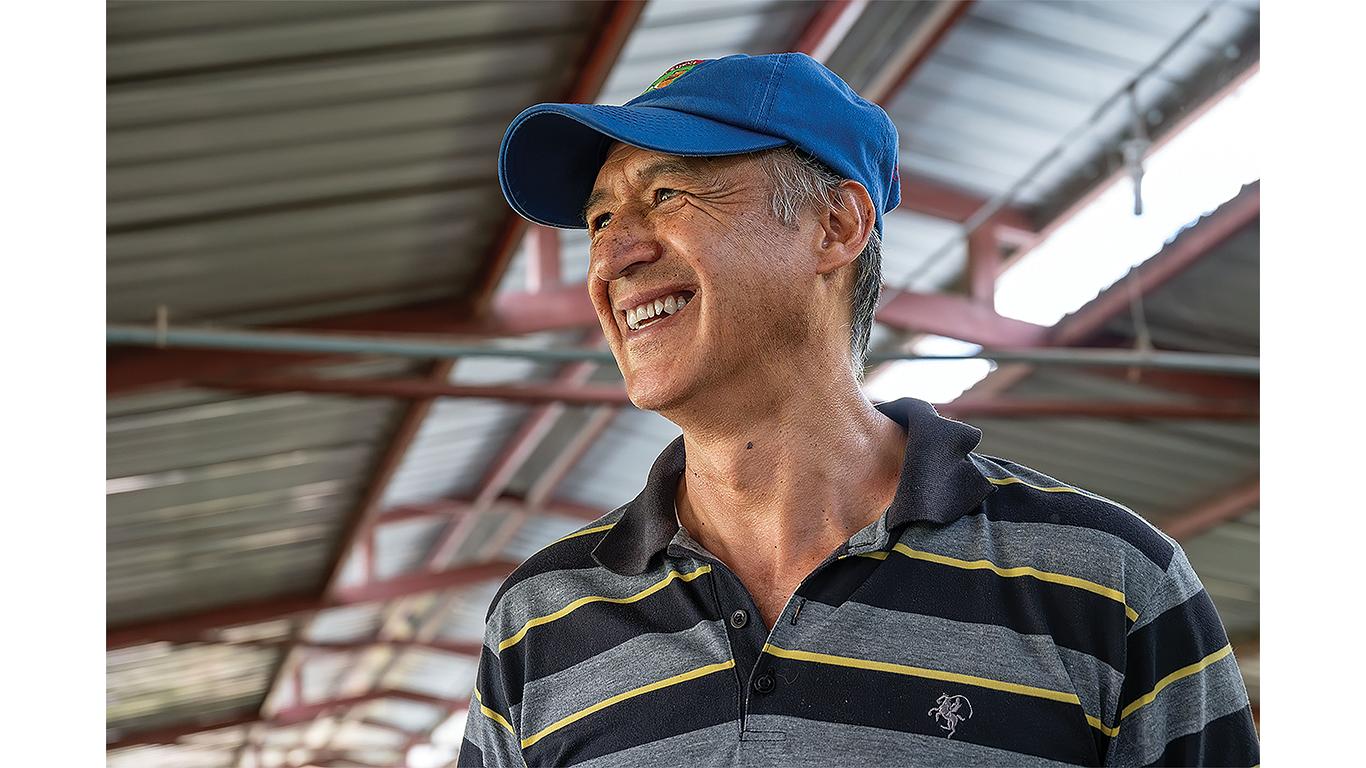
Above. Cuyera Andina farm's eight open-sided barns sit in the highlands of the Andes mountains outside Urcuqui, Ecuador. Veterinarian Fernando Díaz has spent 30 years perfecting the genetics of the ideal market-ready cuy.
Raising chef-worthy cuy. Thirteen million cuy are now eaten every year across the country—grilled over charcoal, served with potatoes and peanut sauce, priced at up to $50 a plate at the country's finest restaurants.
Owner of Cuyera Andina farm Enrique Chiriboga Gonzalez explains that a new generation of gourmet chefs is putting it back on menus, celebrating it as a cornerstone of Ecuadorian cuisine. As a result, demand keeps climbing, but supply hasn't kept up.
That gap is what brought the Chiriboga family to guinea pigs.
Chiriboga comes from a dairy family—four generations deep. About 15 years ago, his brother spotted the opportunity: most cuy production still happened in home kitchens. "It was very inefficient and informal, with no standards and very few large operations," he explains.
In 2013, the brothers structured a business plan and founded Cuyera Andina.
"We wanted to help keep a millenary tradition alive," Chiriboga says. "And we partnered with one of the few experts in Ecuadorian guinea pig production."
That expert is veterinarian Fernando Díaz, whose three decades of research form the technical backbone of the operation. Díaz has spent his career figuring out exactly what a market-ready guinea pig should look like. Round. Chunky. Short-haired. Light-colored.
"A dark-skinned animal doesn't present well on the plate," Díaz explains. "And long, curly-haired animals waste too much energy growing hair rather than meat."
Together, they have built one of the largest guinea pig farms in the country with the most modern infrastructure.
They run two genetic family lines, rotated annually. They feed the herd 90% fresh alfalfa, King grass, and Cuban 22 grass and supplement with a house-made pellet blend. There are 6,500 mothers who wean nearly 5,000 pups per month.
The market rewards their precision. Live animals sell for $9 to $15. Breeding mothers, after three pregnancies, fetch $12. At restaurants in nearby Chaltura—where foreign visitors to the farm often sample their first taste of cuy—a traditionally prepared dish runs $18 to $28.
Frozen guinea pig is now also exported to the United States. "There is a large Ecuadorian community there that values cuy as part of their home country nostalgia," Chiriboga says. "We think this is part of why demand for our meat has increased more in the last couple years."
They figure about a dollar profit per breeding mother per month. Including the cost to buy the land, it took less than 10 years to recover their investment and become profitable.
For a dairy family watching the state hold milk prices down, guinea pigs continue to make sense. ‡
More articles related to:
Read More of The Furrow
AGRICULTURE, EDUCATION
Homesteading 101
School of Ranch helps homesteaders learn new skills.
AGRICULTURE, EDUCATION
We're Still Here
Ontario's tobacco farmers are thriving again.